Hospitality / GUIDE 09
Interior Design Shenzhen: Boutique Hotel Identity
Build a distinctive Shenzhen boutique hotel concept through a clear guest promise, material language, local references and operational detail.
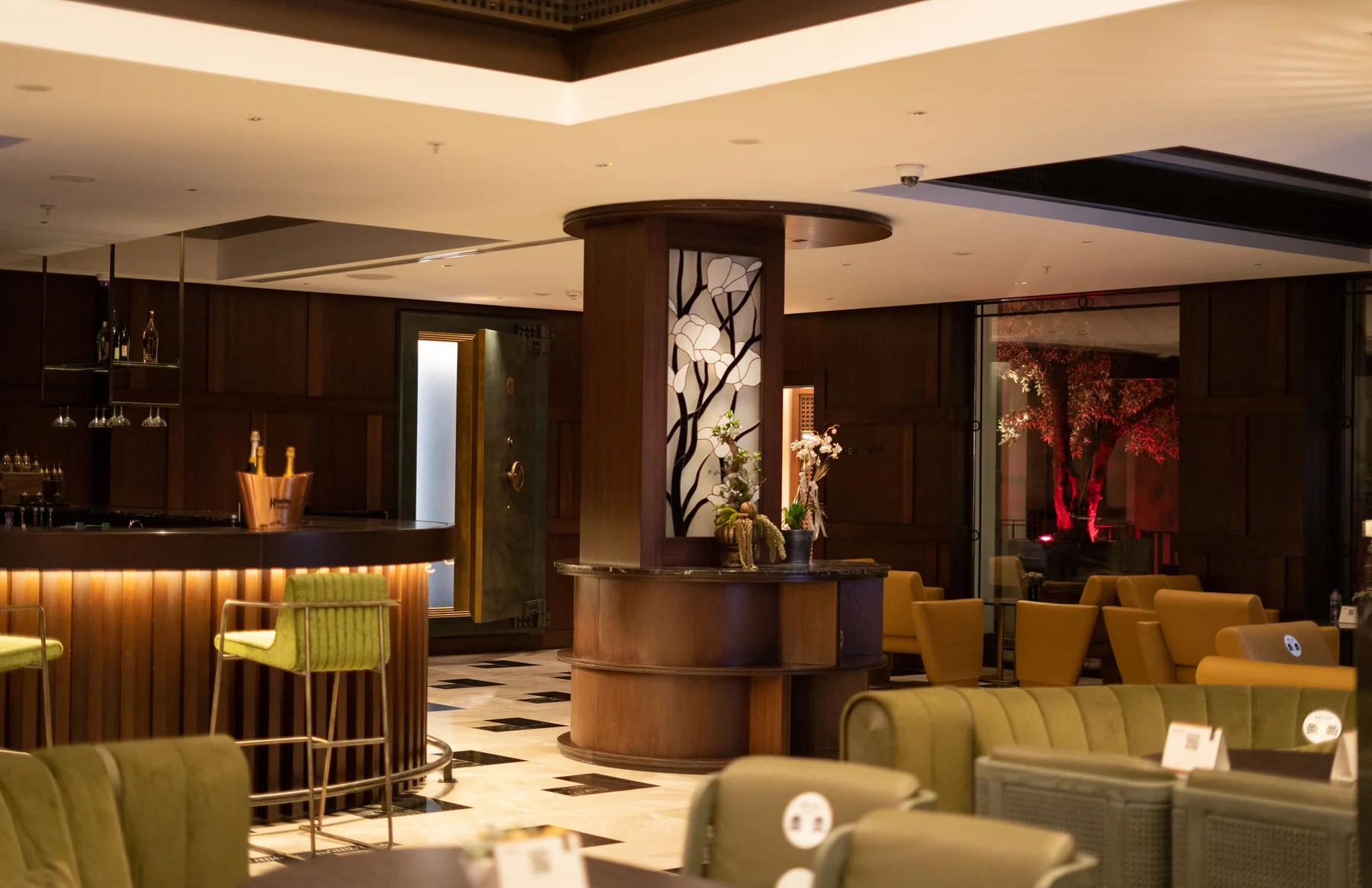
The essential idea
A boutique hotel's identity should come from a specific guest experience and a coherent design idea. Translate that idea into arrival, rooms, dining and service details instead of relying on unrelated decorative statements.
A small hotel can be memorable without giving every room a different theme. Identity becomes stronger when guests recognise the same point of view across the whole stay. For an Interior Design Shenzhen boutique-hotel project, begin with the intended audience and the experience the operator wants to provide. The concept can then guide practical choices, from the welcome to the bedside light.
Write a guest promise that can be designed
Describe who the hotel is for and what makes its stay distinctive. A quiet base for business travel, a social urban retreat and a design-led weekend destination imply different public spaces and room priorities. Avoid a brief made only of adjectives such as luxurious, modern or unique.
Turn the promise into observable qualities. If the experience is intended to feel calm, consider how arrival, sound, lighting and service support that aim. If conversation is central, give shared spaces a convincing role. A concept becomes useful when it helps the team choose between competing options.
Use local references with precision
Shenzhen can provide context through its urban setting, coastal location and contemporary culture, but a hotel's story should be more specific than a city label. Research the immediate neighbourhood, building and intended audience. Where local craft or artwork is proposed, establish its provenance and the appropriate permissions.
Avoid inventing a heritage narrative or presenting a stock photograph as a local project. A contemporary interpretation can be compelling without claiming historical authenticity. Ask what a reference contributes to the guest experience, and whether that contribution can be explained clearly by the operator.
Establish a material language with room for variation
Select a small set of recurring materials, tones and details. They might connect reception joinery, room furniture and restaurant elements without making every space identical. Define which components carry the identity and which provide a quieter background.
Review samples under the intended lighting and alongside one another. A material that works in a bright lobby may feel different in a compact room. Consider wear and replacement from the outset. Consistency depends partly on whether the hotel can maintain or reproduce important details over time.
Let each space serve its own purpose
A coherent concept should not override the needs of different activities. A guestroom needs rest and privacy; a bar may welcome conversation and energy. Use the common design language to connect them while allowing lighting, acoustics and furniture to respond to each use.
Public areas also need an operating plan. Clarify whether the lounge serves hotel guests, neighbourhood visitors or both. Determine how food, drinks, charging and staff attention will work. A beautifully styled room can feel uncomfortable if guests do not understand whether they are welcome to stay there.
Carry the identity into small service moments
Room numbers, menus, information cards and wayfinding can reinforce the concept. Coordinate typography and language with the interior rather than adding signs after construction. If both English and Chinese are used, review clarity and terminology with qualified language reviewers.
Do not overload the guest with storytelling. A few well-chosen details may communicate more than repeated explanations. Consider what staff can maintain during normal operations and what can be refreshed seasonally. The identity should remain recognisable when decorative displays change.
Test the concept against ordinary use
- Can the guest promise be explained in one clear sentence?
- Does each major space support that promise?
- Are local references accurate and properly credited?
- Can important finishes and furniture be maintained?
- Do signs and service materials belong to the same visual language?
- Does the concept still work without staged accessories?
A useful final review follows one complete stay, from booking expectations to departure. Look for moments where the design and operation tell different stories. Resolving those mismatches can make a boutique hotel feel more distinctive than adding another signature object.
Common questions
Does a boutique hotel need locally made furniture?
Not necessarily. Local sourcing can support the concept when quality, provenance and delivery are suitable. The decision should follow the design and procurement brief rather than a general claim of authenticity.
Can every guestroom have a different design?
Yes, but variation increases coordination and replacement demands. Consider a shared framework with controlled differences so the hotel remains coherent and manageable.