Shenzhen Interior Design Portfolio Review: What Built Projects Reveal
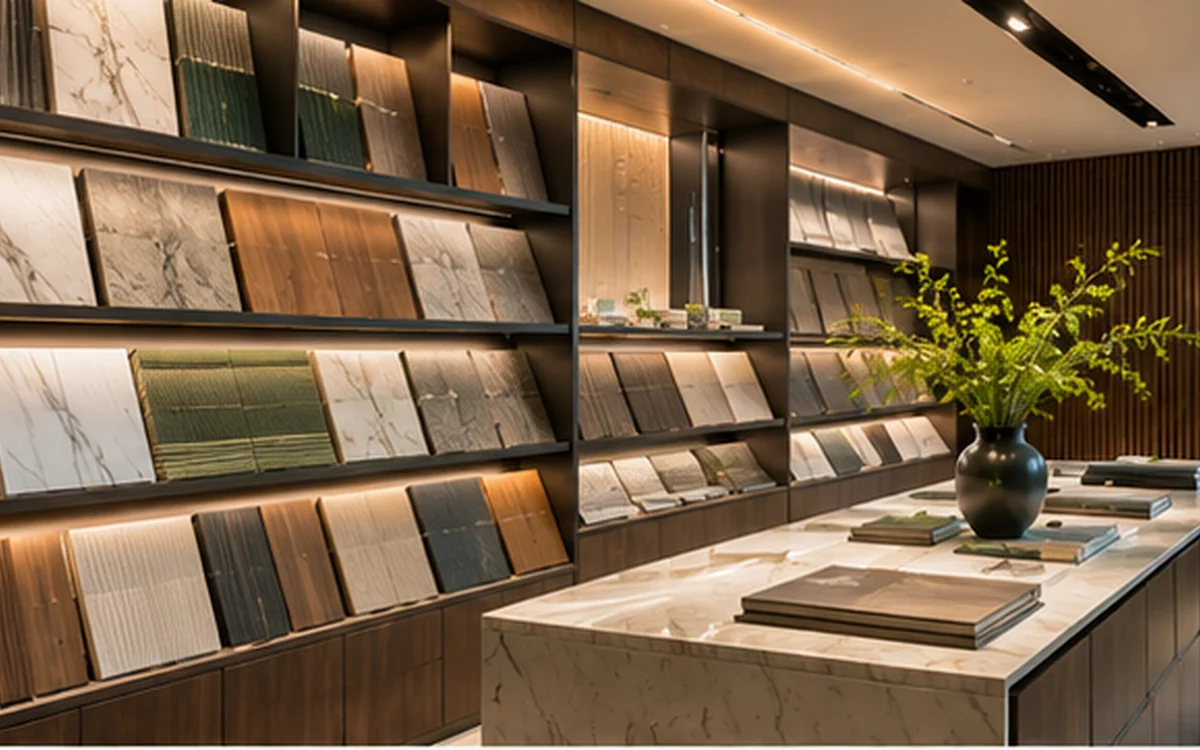
Concept illustration only · not an actual project photograph. Replace with a licensed real interior photo before publishing if photographic authenticity is required.
In brief: Learn to assess completed interiors through operational outcomes, detailing and maintenance evidence.
A polished portfolio can introduce the creative language of a Shenzhen interior design company, but it cannot by itself reveal project management ability. Business owners should read photographs as one part of a wider evidence trail. The strongest discussions connect visual quality with daily use, construction decisions and the condition of the space after occupancy.
Look beyond the hero image
Ask to see arrival spaces, service corridors, workstations, lighting details and storage—not just the most photogenic lounge. Successful interior design holds together in less visible areas. For offices, inspect privacy and acoustic transitions; for restaurants, examine circulation between tables and service points; for hotels, consider the consistency between public areas and guestrooms.
Ask about constraints and trade-offs
A useful case study should describe the original problem, budget hierarchy, time pressure and coordination constraints. Ask what was simplified, redesigned or substituted and why. The answers reveal whether the studio can protect the essential experience when real-world restrictions challenge the initial idea.
Examine specification durability
Details that photograph beautifully on opening day may be difficult to maintain. Ask about fabric cleaning, edge protection, replaceable lighting components, slip resistance and access to services. When possible, request feedback from an operator who has used the space for several months. Maintenance performance deserves the same attention as aesthetics.
Assess relevance rather than size
A smaller workplace that solves difficult acoustic and technology requirements may be more relevant than a spectacular unrelated resort. Choose portfolio evidence close to your project’s users, building conditions and operating model. A thoughtful designer should be able to explain where lessons transfer and where a new approach is needed.
Putting the guidance into practice
For selection decisions, ask every contender to explain where its professional responsibility begins and ends. A strong project team is comfortable showing sample documents, discussing mistakes and recording the choices that affect cost. Treat the appointment as a working relationship, not an image competition. Your brief should distinguish outcomes you must have from options you could remove if priorities change.
For a Shenzhen project, begin by documenting the actual site conditions and confirming responsibilities with the building team, relevant consultants and property manager. Keep a realistic allowance for investigations, samples and review. That discipline helps the final design deliver its purpose, not merely match the first concept drawing.
Practical checklist
- Review complete zones, not only hero photographs
- Ask for the main technical challenge in two case studies
- Discuss maintenance after opening or occupation
- Choose comparable operating needs over visual similarity
Frequently asked questions
Do concept renderings count as project experience?
They demonstrate design intent, but completed work is stronger evidence for construction coordination and material performance.
Can I ask for a client reference?
You can request references where confidentiality permits; ask precise questions about communication, scope changes and handover.
Next step for your project
Share a concise brief, actual plans, expected timetable and the decisions that matter most. Ask the design team to respond with the scope, assumptions, responsibilities and a realistic review process. That gives owners and operators a sound basis for comparing options and moving forward.
 Choosing an Interior Design Company in Shenzhen: A Due-Diligence Framework
 Interior Design Company in Shenzhen: Comparing Proposals Without Hidden Gaps
 Shenzhen Interior Design Company for Cross-Border Clients: Managing Decisions Remotely