Shenzhen Interior Design Company for Cross-Border Clients: Managing Decisions Remotely
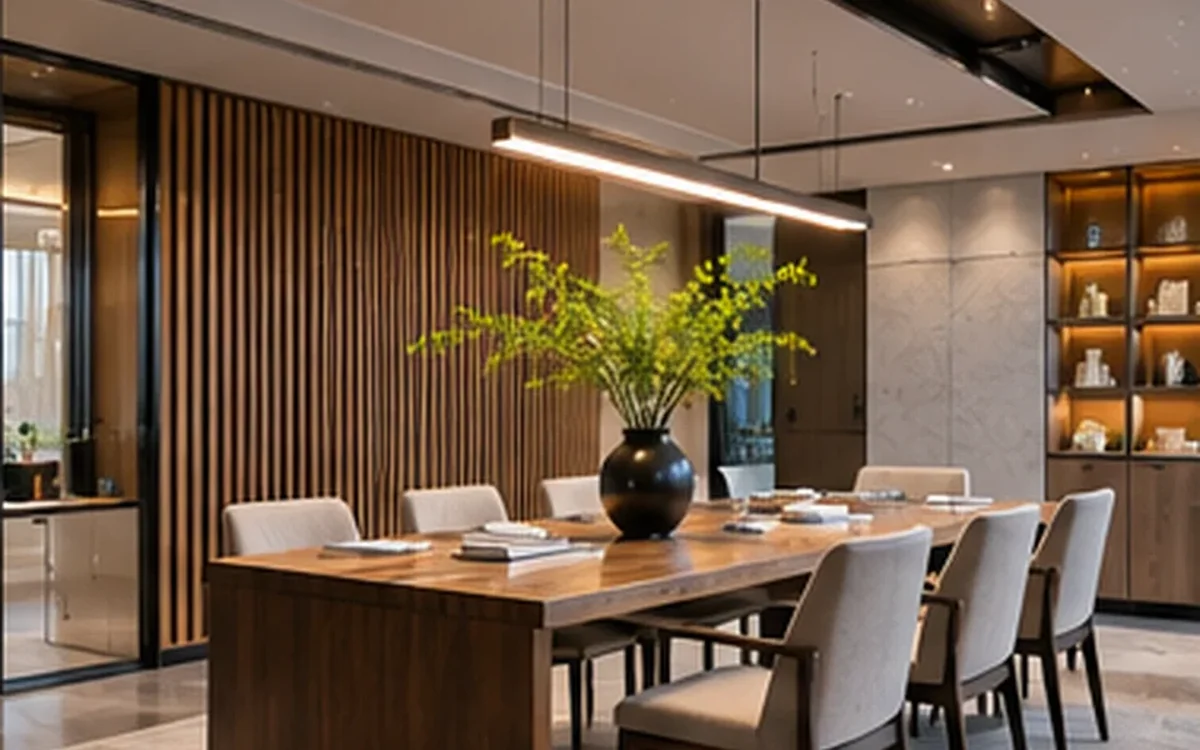
Concept illustration only · not an actual project photograph. Replace with a licensed real interior photo before publishing if photographic authenticity is required.
In brief: How overseas owners can maintain design quality without being on site every week.
A Shenzhen interior design company may work with owners based in Hong Kong, elsewhere in China or overseas. Distance makes the quality of information more important. Remote management succeeds when the design team provides traceable decisions, useful visual evidence and a realistic inspection programme rather than a stream of informal progress photos.
Create one source of truth
Use a shared register with dated plans, approvals, questions and responsible people. Mark old drawings as superseded and confirm which issue controls site work. A simple document discipline can prevent a contractor from installing an earlier joinery detail after the owner has approved a new layout.
Approve tangible samples intelligently
Screens cannot reliably communicate every timber tone, stone texture or fabric hand. Where appearance and performance matter, arrange sample boxes, video reviews under neutral light and dated physical approvals. Specify acceptable tolerances and a named local reviewer for goods arriving on site.
Plan remote and in-person inspections
Reserve high-value visits for survey verification, critical mock-ups, pre-closure inspections and handover. Ask for photo sets from fixed angles and short videos that show doors, clearances and operational sequences. Evidence should reference rooms and drawing numbers so issues can be located quickly.
Understand local dependencies
Property manager requirements, site access, permitted working hours and trade coordination can influence a programme. A local lead should report these dependencies openly rather than promising dates without checking them. Agree an escalation path for urgent decisions across time zones.
Putting the guidance into practice
A good project process makes dependencies visible before they become delays. Ask the appointed team to keep current drawings, approvals and open decisions together, with responsible names and dates. Escalate uncertainty promptly and record solutions so later work is based on the same information. This disciplined approach supports creative design without allowing untracked change to overwhelm it.
For a Shenzhen project, begin by documenting the actual site conditions and confirming responsibilities with the building team, relevant consultants and property manager. Keep a realistic allowance for investigations, samples and review. That discipline helps the final design deliver its purpose, not merely match the first concept drawing.
Practical checklist
- Request a shared drawing and decision register
- Ship or review important physical samples
- Schedule critical inspection checkpoints
- Assign one local contact for urgent coordination
Frequently asked questions
Can everything be approved by photograph?
No. Some colour, finish, mock-up, safety and performance decisions need physical verification by an authorised representative.
How often should remote reviews happen?
A regular weekly review plus milestone approvals is usually more effective than sporadic daily messages.
Next step for your project
Share a concise brief, actual plans, expected timetable and the decisions that matter most. Ask the design team to respond with the scope, assumptions, responsibilities and a realistic review process. That gives owners and operators a sound basis for comparing options and moving forward.
 Shenzhen Interior Design Company: Writing a Brief That Guides Better Design
 Shenzhen Interior Design Company: Choosing Design-Only or Design-and-Build
 Interior Design in Shenzhen: Integrating Smart Technology Without Visual Clutter