Shenzhen Interior Design Company: Writing a Brief That Guides Better Design
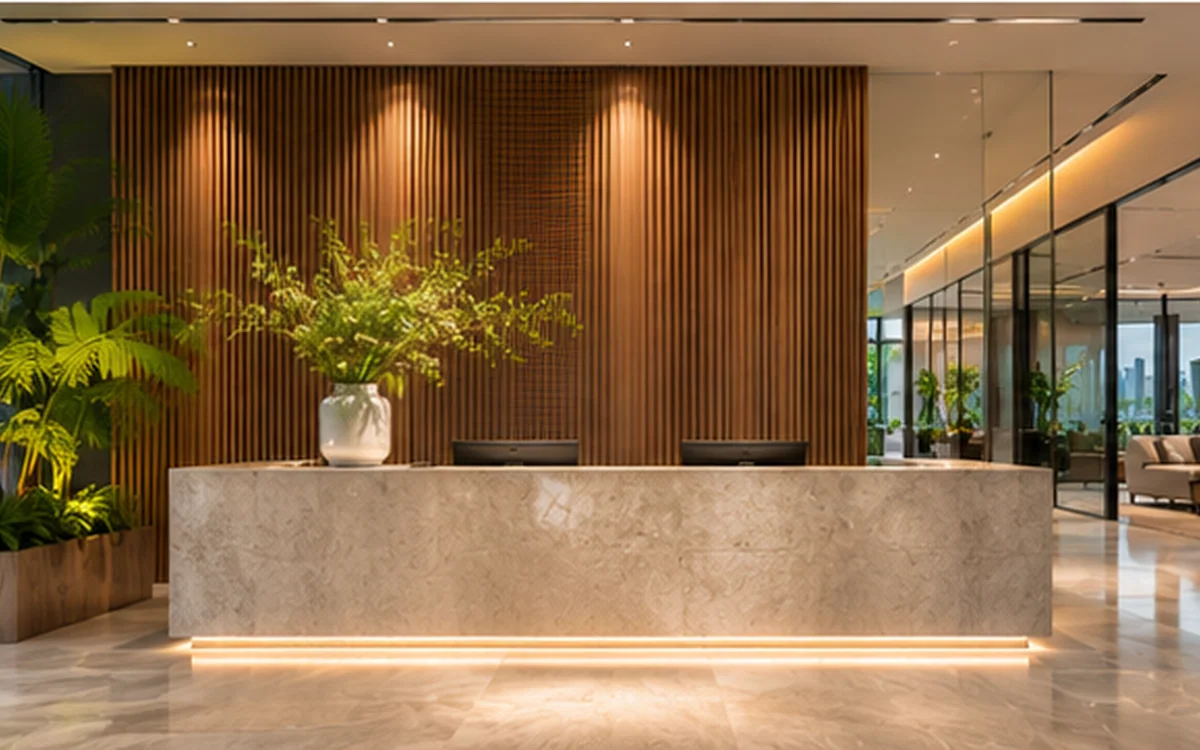
Concept illustration only · not an actual project photograph. Replace with a licensed real interior photo before publishing if photographic authenticity is required.
In brief: Turn business or residential goals into measurable priorities before design begins.
Working with a Shenzhen interior design company becomes more productive when the initial brief describes the people and behaviours the space must support. A mood board alone cannot explain how a restaurant should turn tables, where an office needs privacy or how a family uses shared rooms. The brief should connect desired atmosphere with operations, budgets and constraints.
Describe user journeys
Map the first ten minutes of a visitor’s experience and a typical day for regular users. Who arrives, where do they wait, and what do they need access to? This exercise exposes circulation, storage, reception and wayfinding requirements before the team commits to a floor plan.
Rank needs instead of listing wishes
Separate essential functions from optional enhancements. For example, an office may prioritise acoustic privacy and reliable video meetings over a feature lounge. A hotel might protect mattress comfort and housekeeping access before decorative upgrades. Clear rankings help the designer make informed substitutions if costs change.
Supply accurate project information
Provide measured plans where available, site photos, building management requirements, equipment schedules and known service constraints. Flag any uncertainty rather than filling gaps with guesses. Schedule a survey and relevant specialist checks early so the concept is not built on incorrect assumptions.
Create an approval process
Identify the one person who consolidates comments and the dates when decisions are needed. Use annotated plans and a decisions register rather than verbal instructions alone. The resulting brief becomes a living reference for scope, design reviews, procurement and quality checks.
Putting the guidance into practice
A good project process makes dependencies visible before they become delays. Ask the appointed team to keep current drawings, approvals and open decisions together, with responsible names and dates. Escalate uncertainty promptly and record solutions so later work is based on the same information. This disciplined approach supports creative design without allowing untracked change to overwhelm it.
For a Shenzhen project, begin by documenting the actual site conditions and confirming responsibilities with the building team, relevant consultants and property manager. Keep a realistic allowance for investigations, samples and review. That discipline helps the final design deliver its purpose, not merely match the first concept drawing.
Practical checklist
- Record intended users and daily tasks
- Rank must-haves, preferences and future needs
- Gather plans, building rules and equipment data
- Nominate the owner-side approver
Frequently asked questions
What is the first document to prepare?
A concise project brief with users, site details, budget priorities, intended programme and constraints is more useful than a large collection of inspiration images.
Can the brief evolve?
Yes, provided changes are tracked and their design, cost and schedule effects are agreed.
Next step for your project
Share a concise brief, actual plans, expected timetable and the decisions that matter most. Ask the design team to respond with the scope, assumptions, responsibilities and a realistic review process. That gives owners and operators a sound basis for comparing options and moving forward.
 Shenzhen Interior Design Company: Choosing Design-Only or Design-and-Build
 Shenzhen Interior Design Company for Cross-Border Clients: Managing Decisions Remotely
 Interior Design in Shenzhen: Making Compact Apartments Feel Generous