Interior Design in Shenzhen: Integrating Smart Technology Without Visual Clutter
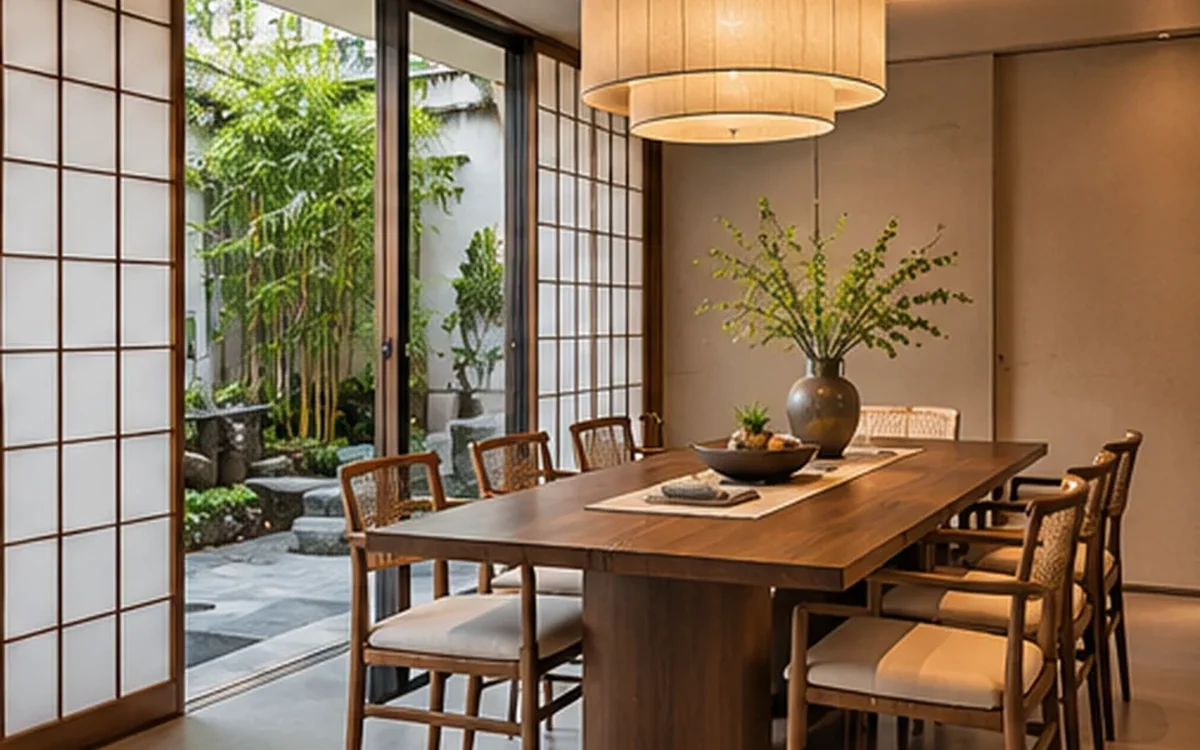
Concept illustration only · not an actual project photograph. Replace with a licensed real interior photo before publishing if photographic authenticity is required.
In brief: Design lighting, controls and connectivity around human comfort rather than gadget count.
Interior design in Shenzhen frequently intersects with smart-home technology, but an excellent space should remain intuitive even when devices are offline. The most valuable integrations simplify daily routines and improve comfort. Planning technology at the same time as joinery and lighting is more reliable than attaching devices after the rooms are finished.
Start with user scenarios
Identify activities that deserve one-touch control: arriving home, preparing food, working quietly or winding down at night. Decide whether residents prefer physical switches, app controls or both. A system should be understandable to guests and older family members without a complicated tutorial.
Coordinate equipment early
Controls, routers, sensors and power supplies need locations, ventilation and service access. Concealing everything behind seamless panels can make troubleshooting unnecessarily difficult. Show access points and cable routes on the coordinated drawing set before installation begins.
Protect lighting quality
Select layered lighting and sensible scenes before adding elaborate automation. Prevent excessive glare and cold light in resting areas, and consider how daylight and shading change through the day. Technology should preserve the character of materials rather than compete with them.
Plan resilience and privacy
Ask how the system works if internet access or a vendor cloud service is interrupted. Document who holds administrator credentials, how software is updated and how unused user accounts are removed. A simple manual override often provides more lasting value than another decorative screen.
Putting the guidance into practice
In a home, human comfort is the most useful measure of success. Review the plan at the scale of daily movement, cleaning, storage and changing household routines. Lighting, ventilation and materials should be selected together, not as separate decorative purchases. A beautiful room gains lasting value when it remains practical during ordinary use, not only on the day photographs are taken.
For a Shenzhen project, begin by documenting the actual site conditions and confirming responsibilities with the building team, relevant consultants and property manager. Keep a realistic allowance for investigations, samples and review. That discipline helps the final design deliver its purpose, not merely match the first concept drawing.
Practical checklist
- Write three daily-use scenarios before selecting devices
- Coordinate power, networks and maintenance access
- Specify manual control for essential functions
- Record ownership and handover of system credentials
Frequently asked questions
Does every room need automation?
No. Focus on uses with a clear comfort or operating benefit.
Who should plan smart-home wiring?
The interior designer should coordinate with qualified electrical and technology specialists; responsibilities must be agreed in the project scope.
Next step for your project
Share a concise brief, actual plans, expected timetable and the decisions that matter most. Ask the design team to respond with the scope, assumptions, responsibilities and a realistic review process. That gives owners and operators a sound basis for comparing options and moving forward.
 Interior Design in Shenzhen: Making Compact Apartments Feel Generous
 Interior Design in Shenzhen: Choosing Materials for Humidity and Daily Use
 Office Interior Design Company in Shenzhen: Flexible Workplaces in Qianhai