Interior Design in Shenzhen: Choosing Materials for Humidity and Daily Use
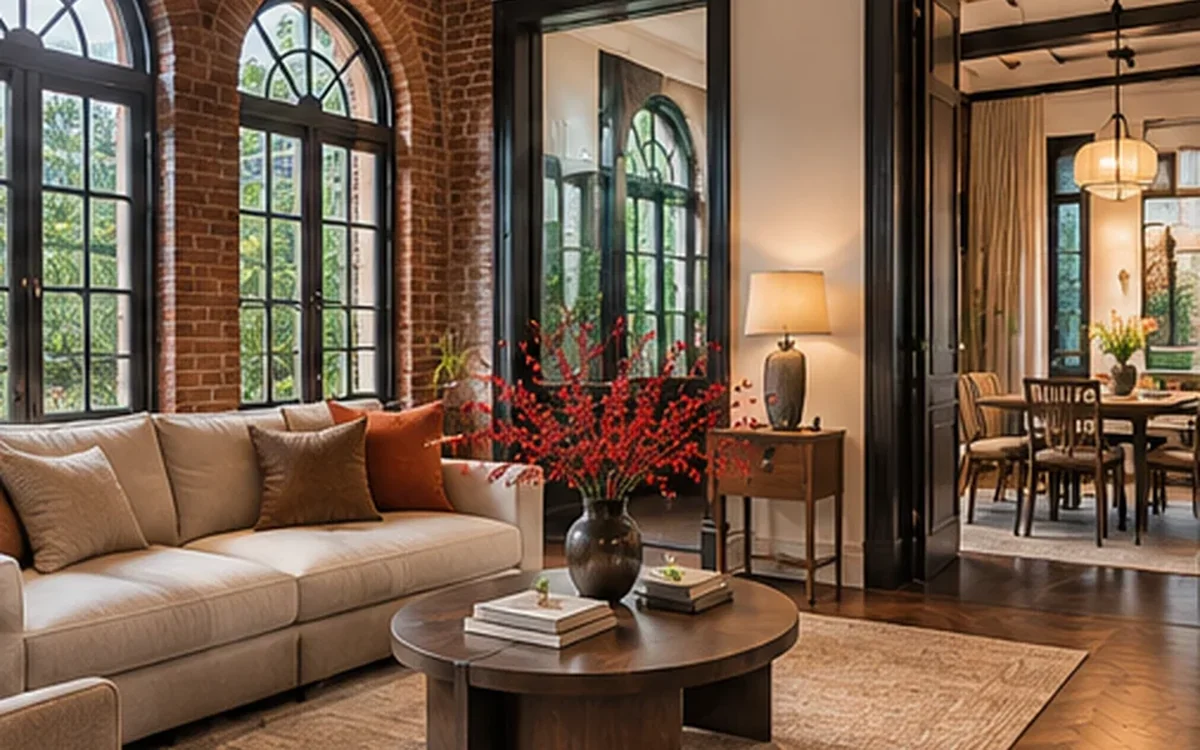
Concept illustration only · not an actual project photograph. Replace with a licensed real interior photo before publishing if photographic authenticity is required.
In brief: Select finishes for cleanability, moisture management and long-term appearance.
Successful interior design in Shenzhen balances tactile warmth with the demands of a humid subtropical climate. Moisture exposure, sunlight and heavy daily use can affect cabinets, fabrics and hardware. Material selection should therefore address expected conditions, installation details and maintenance—not just the colour seen on a sample board.
Specify the location of each material
A finish suitable for a dry living room may be inappropriate beside a shower, sink or frequently cleaned restaurant counter. List zones by moisture, abrasion and cleaning exposure. Ask suppliers for suitable substrate, edge detail and installation requirements rather than relying on a broad marketing label such as waterproof.
Pay attention to concealed conditions
Ventilation, drainage, waterproofing and access to services are often more important than the surface finish itself. In renovation work, investigate existing dampness before covering a wall. Good cabinetry also needs thoughtful ventilation and sealed vulnerable edges where moisture could accumulate.
Plan for cleaning and repair
Evaluate porous stone, textured tile, veneer and upholstery based on how staff or residents will actually clean them. A replacement plan matters for commercial spaces where downtime is expensive. Prefer products with documented care instructions and realistic availability of spare pieces.
Review samples in actual lighting
Colour and sheen can change dramatically between showroom light and the project site. Compare large samples at different times of day. Test transitions where timber, stone and metal meet, and agree control samples before bulk fabrication.
Putting the guidance into practice
In a home, human comfort is the most useful measure of success. Review the plan at the scale of daily movement, cleaning, storage and changing household routines. Lighting, ventilation and materials should be selected together, not as separate decorative purchases. A beautiful room gains lasting value when it remains practical during ordinary use, not only on the day photographs are taken.
For a Shenzhen project, begin by documenting the actual site conditions and confirming responsibilities with the building team, relevant consultants and property manager. Keep a realistic allowance for investigations, samples and review. That discipline helps the final design deliver its purpose, not merely match the first concept drawing.
Practical checklist
- Map moisture and cleaning exposure by room
- Check substrate and edge-detail requirements
- Test large samples under site lighting
- Keep spare-material and care information
Frequently asked questions
Is natural timber unsuitable for Shenzhen?
Not inherently. Correct product selection, detailing, ventilation and maintenance matter more than a blanket rule.
Should every surface be easy to replace?
High-wear and commercial areas benefit from modular or replaceable components where practical.
Next step for your project
Share a concise brief, actual plans, expected timetable and the decisions that matter most. Ask the design team to respond with the scope, assumptions, responsibilities and a realistic review process. That gives owners and operators a sound basis for comparing options and moving forward.
 Interior Design in Shenzhen: Making Compact Apartments Feel Generous
 Interior Design in Shenzhen: Integrating Smart Technology Without Visual Clutter
 Office Interior Design Company in Shenzhen: Welcoming Clients in Futian