Choosing an Interior Design Company in Shenzhen: A Due-Diligence Framework
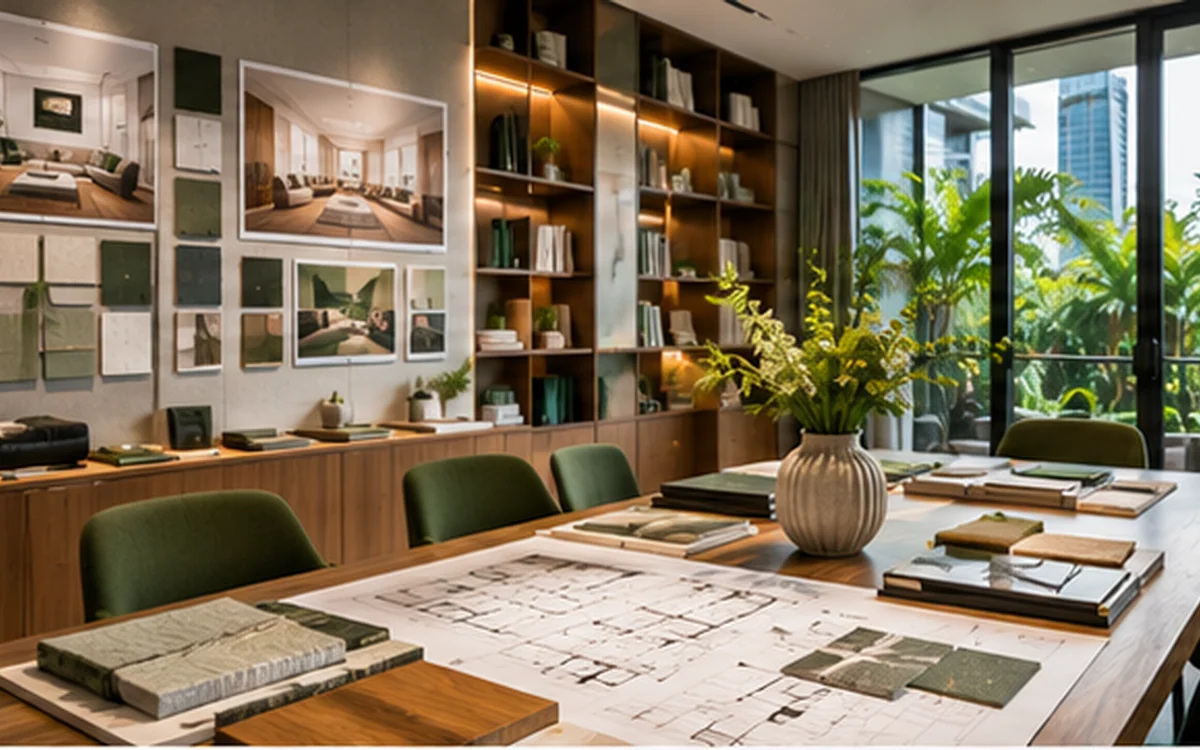
Concept illustration only · not an actual project photograph. Replace with a licensed real interior photo before publishing if photographic authenticity is required.
In brief: A clear way to shortlist design partners, test delivery capability and protect your project brief.
Appointing an interior design company in Shenzhen involves more than choosing a visual style. Before requesting a fee proposal, owners should define the business purpose, property constraints and decision-making process. A hospitality operator needs a different type of coordination from a workplace tenant or apartment owner. A structured shortlist helps separate attractive presentations from a team capable of delivering a functioning space.
Start with the project, not the portfolio
Write a one-page brief covering the site address, approximate area, intended users, timeline, permitted works and cost priorities. For an office, add headcount and meeting patterns; for a hotel, include the guest journey and operating standards. Ask each studio to respond to the same brief. Without a shared baseline, two persuasive presentations can describe completely different scopes.
Test evidence of completed work
Request relevant built examples, not only renderings. Discuss one difficult coordination problem from each example and ask what changed between concept and handover. A credible team can explain drawings, procurement, site inspections and the role of external consultants. When a portfolio shows projects outside Shenzhen, ask how local site realities and communication were handled.
Agree on who makes each decision
Identify the client approver, designer lead, contractor contact and any landlord or property manager. Establish review dates for concept, technical design, materials, mock-ups and commissioning. This avoids the costly situation in which everyone assumes another party approved a finish, dimension or equipment location.
Make comparisons transparent
A credible appointment process compares scope, deliverables, exclusions, design revisions, site involvement and payment triggers alongside fees. Look for clarity rather than unusually confident promises. Request a simple responsibility matrix and a written change-control procedure before committing to construction.
Putting the guidance into practice
For selection decisions, ask every contender to explain where its professional responsibility begins and ends. A strong project team is comfortable showing sample documents, discussing mistakes and recording the choices that affect cost. Treat the appointment as a working relationship, not an image competition. Your brief should distinguish outcomes you must have from options you could remove if priorities change.
For a Shenzhen project, begin by documenting the actual site conditions and confirming responsibilities with the building team, relevant consultants and property manager. Keep a realistic allowance for investigations, samples and review. That discipline helps the final design deliver its purpose, not merely match the first concept drawing.
Practical checklist
- Ask for one recently completed project with comparable complexity
- Compare drawings and site-support scope rather than headline fees
- Confirm the named project leader and approval cadence
- Document exclusions, revisions and variations
Frequently asked questions
How many firms should be shortlisted?
A manageable shortlist of two or three relevant firms usually allows a deeper comparison of capability, scope and working style than a broad price-only competition.
Should the cheapest proposal win?
Not automatically. Compare what is excluded, how coordination is handled, and who remains accountable when the build starts.
Next step for your project
Share a concise brief, actual plans, expected timetable and the decisions that matter most. Ask the design team to respond with the scope, assumptions, responsibilities and a realistic review process. That gives owners and operators a sound basis for comparing options and moving forward.
 Interior Design Company in Shenzhen: Comparing Proposals Without Hidden Gaps
 Shenzhen Interior Design Portfolio Review: What Built Projects Reveal
 Shenzhen Interior Design Company: Writing a Brief That Guides Better Design