Commercial / GUIDE 14
Interior Design Shenzhen: Showroom Product Stories
Create a Shenzhen showroom that explains products through demonstrations, comparison settings, consultation areas and adaptable displays.
The essential idea
A showroom should help visitors understand how a product works, what distinguishes it and whether it suits their needs. Organise the space around useful demonstrations and conversations, with a clear route between them.
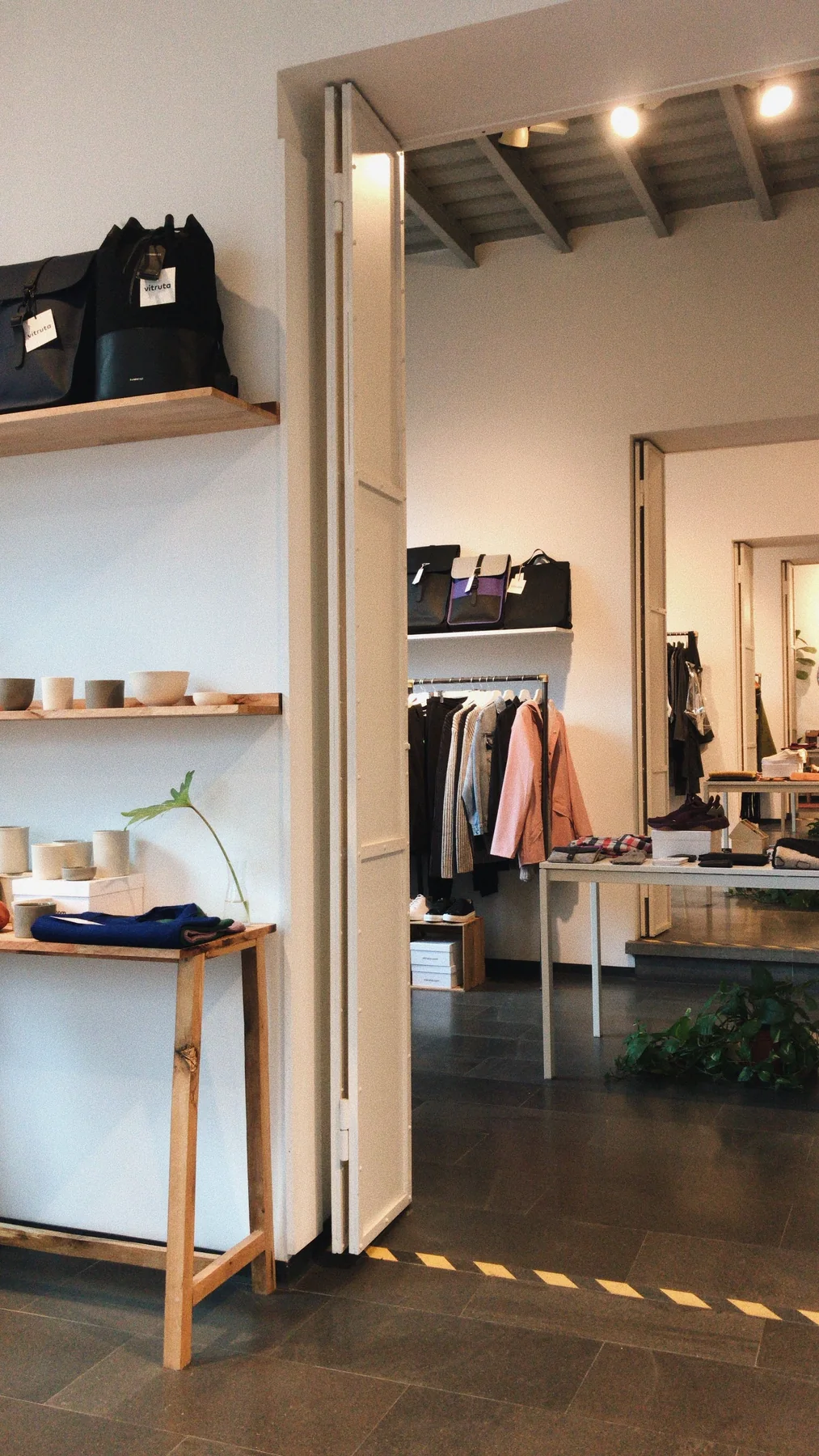
A showroom is not simply a shop with more space around its products. It may need to explain a system, demonstrate quality or support a considered specification decision. Interior Design Shenzhen showroom projects work best when the visitor's questions shape the display strategy. The interior should make the product easier to understand, rather than compete with it.
Define the decision the visit should support
Ask what a visitor should know by the end of the appointment. They may need to compare finishes, understand a technical feature, review a collection or discuss a tailored solution. Each goal requires different information and a different type of setting.
Separate visitor groups where useful. Designers, buyers, end customers and distribution partners may arrive with different levels of knowledge. The showroom can provide a common introduction and then offer more detailed material for those who need it. Avoid making every visitor follow an unnecessarily long presentation.
Build a sequence of useful chapters
Organise the space into a small number of clear stages. An introduction might establish the range, followed by demonstration, comparison and consultation. The sequence should remain understandable even when a visitor skips a stage or returns to a previous display.
Use sightlines, material changes and signage to clarify transitions. Do not rely entirely on a salesperson to explain where each section begins. A good showroom can support a guided appointment while still allowing a visitor to browse product information independently.
Demonstrate use rather than only appearance
A product often becomes more understandable when shown in context. Furniture can be grouped around an activity; finishes can be compared at a realistic scale; a system can reveal how components connect. Choose demonstrations that answer actual customer questions.
Keep claims accurate and supported by the manufacturer. The interior should not imply performance that the product documentation does not establish. If a demonstration uses specialist equipment or conditions, record how it is operated and maintained. A display that gradually stops functioning can undermine an otherwise strong presentation.
Create a fair comparison environment
Visitors may need to compare colour, texture, scale or construction. Provide consistent conditions and sufficient space to examine samples. Avoid lighting one option dramatically while leaving another poorly visible if the purpose is an objective comparison.
Samples need identification, storage and replacement procedures. A loose collection without current labels can create confusion later in the specification process. Coordinate the display with the product catalogue and sales documentation. The same name or code should mean the same item throughout the visit.
Provide a productive consultation setting
A consultation area should support the material being discussed. That may mean space for large samples, drawings, digital content or several participants. Review privacy, power, lighting and storage rather than selecting a table only for its appearance.
Position the setting so discussions do not block browsing. Staff should be able to retrieve information without leaving the client in an awkward location. If refreshments or hospitality are part of the experience, include their support requirements in the plan.
Plan for the next product range
- Identify which displays change most often.
- Confirm how products enter and leave the premises.
- Allow access to fixings and service points.
- Provide storage for sample sets and display components.
- Keep labels and digital content easy to update.
- Review the space when the product range changes.
A showroom is an ongoing communication tool. Its value depends on keeping the product story current and the demonstrations usable. For a Shenzhen brand space, a clear framework can preserve a consistent identity while allowing new collections, specifications and conversations to take their place.
Common questions
Does a showroom need a fixed visitor route?
A clear sequence helps, but visitors may need to skip or revisit sections. Design a legible route with useful choices rather than forcing every appointment through the same script.
Should the interior be more visually prominent than the products?
Usually the interior should support the product story. Strong architectural elements can help, provided they do not distract from comparison, demonstration or consultation.