Commercial / GUIDE 15
Interior Design Shenzhen: Commercial Lighting Layers
Plan commercial lighting in Shenzhen around navigation, products, faces and atmosphere, with practical advice on scenes and maintenance.
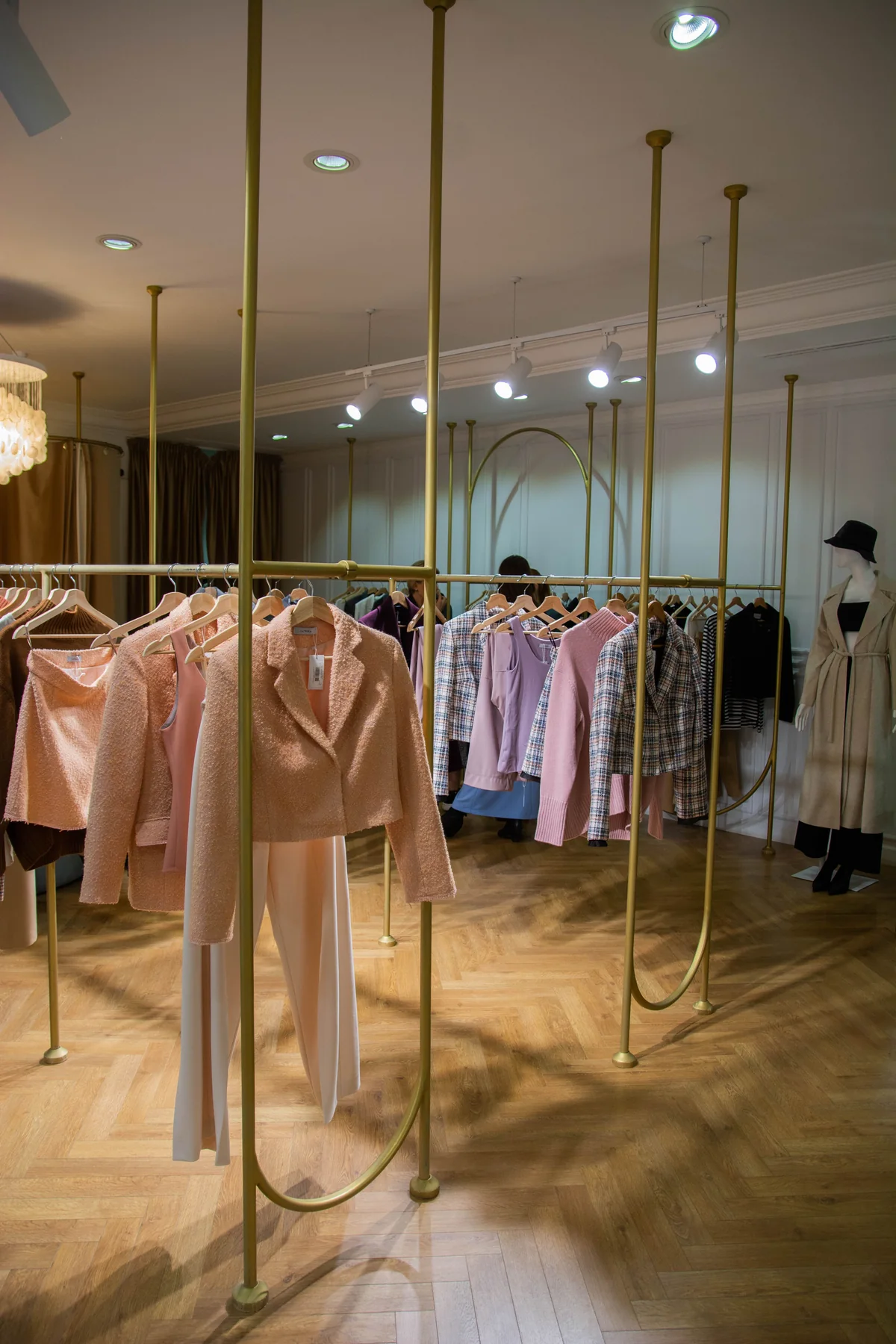
The essential idea
Commercial lighting works best as a coordinated set of layers: general visibility, task support, emphasis and atmosphere. Define what people need to see before selecting decorative fittings or control scenes.
A store, restaurant or showroom can feel confusing when every surface receives the same attention. It can also become uncomfortable when dramatic effects obscure practical tasks. An Interior Design Shenzhen lighting brief should establish a hierarchy. The aim is to make the important things visible, support the intended mood and keep everyday operation straightforward.
Start with the activities and visual priorities
List what needs to be seen in each area: entrances, products, menus, faces, work surfaces or signs. Identify where people stop and where they move. These priorities provide a more useful starting point than a ceiling plan filled with evenly spaced fittings.
Review the brand's intended character. A quiet showroom and an energetic dining room may need different visual emphasis, even if both use a restrained palette. Translate the concept into specific lighting tasks rather than relying on broad descriptions such as warm or luxurious.
Distinguish the lighting layers
General lighting supports orientation and overall visibility. Task lighting helps with activities such as reading, preparation or payment. Accent lighting draws attention to selected products or surfaces. Decorative fittings may contribute to these layers, but their appearance alone does not establish their function.
Discuss how the layers work together. If accent lighting is strong, the surrounding level affects how dramatic it feels. If a pendant is visually prominent, check whether it causes glare from the customer's normal position. The composition should be reviewed from where people actually sit and stand.
Test materials and products under the proposed light
Colours and textures can appear different under different sources and conditions. Review finish samples and representative merchandise together with the proposed fittings. For a retail or showroom project, involve the team responsible for product presentation.
Do not choose a light source solely from a catalogue image. Ask the lighting specialist to confirm relevant performance information and suitability. A practical mock-up can reveal reflections, shadows and surface irregularities that a rendering may not capture. Record the approved combination of light, material and positioning.
Coordinate daylight and electric light
Daylight changes through the day, affecting contrast and atmosphere. Identify where sunlight or bright windows may interfere with screens, merchandise or seating. Blinds, shading and furniture positions should be discussed alongside the electric lighting scheme.
The U.S. Department of Energy's daylighting overview explains how window placement and control influence natural lighting. For a Shenzhen project, apply the principle through site-specific assessment rather than copying an orientation rule from another climate. Existing glazing and landlord constraints may limit what can be changed.
Make scenes useful to the operator
Define a small set of understandable operating scenes. A restaurant may need different arrangements for daytime service, evening dining and cleaning. A store may need a clear opening setup and an alternative for display changes. The appropriate scenes depend on the operation.
Label controls clearly and confirm who can adjust them. Complicated controls can lead staff to use one setting for everything. Include a handover session with the operator and document the agreed settings. If displays move, provide a process for checking and adjusting the lighting safely.
Plan maintenance before installation
- Confirm access to fittings and control equipment.
- Record lamp or module references and replacement arrangements.
- Review compatibility between sources, drivers and dimming.
- Test glare from seated and standing positions.
- Verify that emergency and statutory systems are coordinated by the responsible professionals.
- Keep approved scene settings with the handover information.
A lighting scheme is not finished when fittings are installed. Aiming, adjustment and testing help the design achieve its intended effect. Schedule that work when the main finishes, furniture and displays are in place so decisions reflect the completed interior.
Common questions
Is warm lighting always best for hospitality?
The appropriate source and atmosphere depend on the concept, materials, tasks and operator preferences. Test the combination in context rather than selecting by a single colour-temperature label.
Can decorative lighting provide all the light a space needs?
Sometimes a fitting serves several functions, but this should be checked. Navigation, tasks, display and maintenance may still require additional coordinated lighting.