Hiring a Shenzhen Interior Design Company: Contracts, Fees and Responsibility
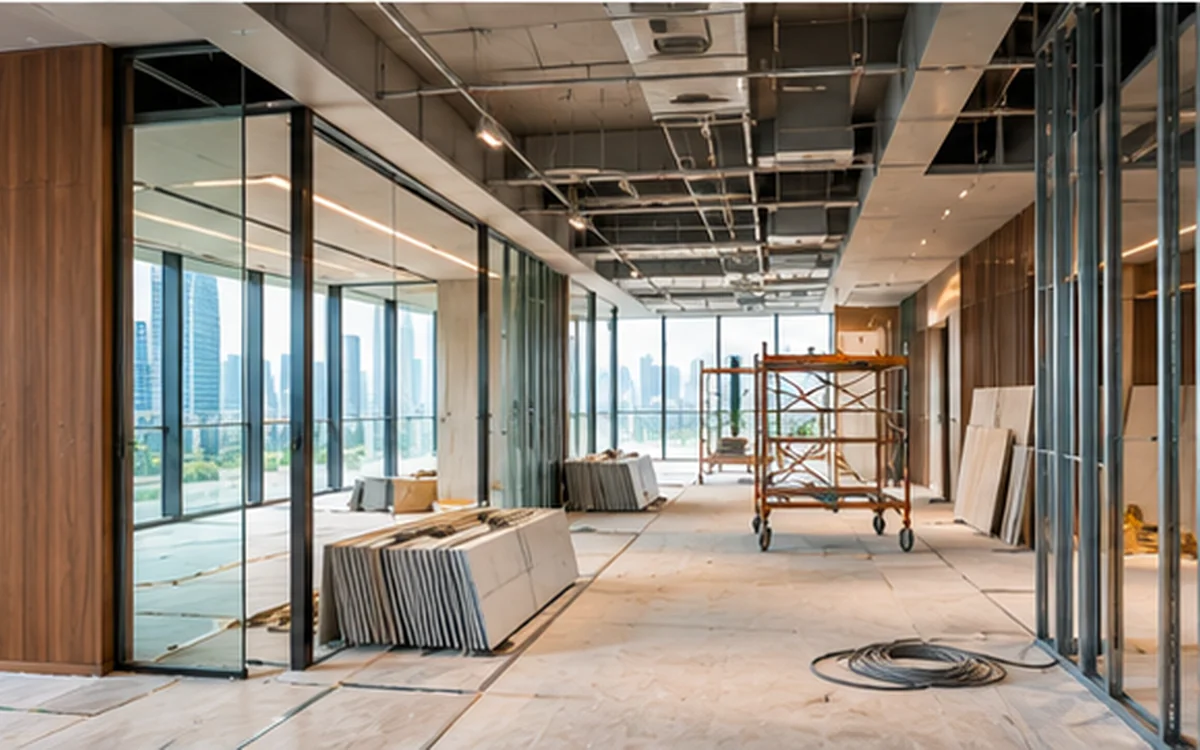
Concept illustration only · not an actual project photograph. Replace with a licensed real interior photo before publishing if photographic authenticity is required.
In brief: A practical overview of scope definition, design responsibilities and change control for owners.
A contract with a Shenzhen interior design company should describe decisions and responsibilities in language that both sides can apply during a project. The issue is rarely whether a concept looks appealing; it is what happens when dimensions change, suppliers propose alternatives or a building condition is discovered late. Clear written scope creates room for creativity without losing control of cost and time.
Define ownership of each stage
List deliverables for concept, developed design, technical documentation and any site involvement. State who commissions measured surveys, MEP engineering, specialist advice and approvals. If the owner appoints the builder separately, specify how design queries and shop drawing reviews will be handled.
Tie payments to verifiable milestones
Milestones should identify a package or service that can be checked, such as approved concept plans or coordinated drawing issue. Avoid vague phrases like nearly complete. Establish how feedback is gathered, how long the owner has to respond and what happens if the programme pauses because an external decision is pending.
Treat changes as a normal process
Most projects evolve. Agree that variations record the reason, drawing reference, fee impact and schedule impact before work proceeds. Keep a single log for approved changes instead of relying on scattered messages. This is particularly helpful for remote owners or multi-stakeholder commercial teams.
Plan handover from the beginning
Decide which completion records matter: as-built drawings, warranty information, product care guides, supplier contacts and defect follow-up. Some are produced by contractors or vendors rather than designers, so responsibilities must be clear. A successful contract supports the whole journey from brief to operational use.
Putting the guidance into practice
For selection decisions, ask every contender to explain where its professional responsibility begins and ends. A strong project team is comfortable showing sample documents, discussing mistakes and recording the choices that affect cost. Treat the appointment as a working relationship, not an image competition. Your brief should distinguish outcomes you must have from options you could remove if priorities change.
For a Shenzhen project, begin by documenting the actual site conditions and confirming responsibilities with the building team, relevant consultants and property manager. Keep a realistic allowance for investigations, samples and review. That discipline helps the final design deliver its purpose, not merely match the first concept drawing.
Practical checklist
- Attach a written scope and exclusions schedule
- Name who approves design changes and variations
- Specify review meetings and drawing issue stages
- Define handover records and post-completion support
Frequently asked questions
Is design-and-build always the same as turnkey?
No. These terms can cover different services. Ask for an explicit scope and responsibility chart rather than relying on labels.
Should the contract include a completion date?
It should include a realistic programme, dependencies and a method for recording legitimate changes to the schedule.
Next step for your project
Share a concise brief, actual plans, expected timetable and the decisions that matter most. Ask the design team to respond with the scope, assumptions, responsibilities and a realistic review process. That gives owners and operators a sound basis for comparing options and moving forward.
 Choosing an Interior Design Company in Shenzhen: A Due-Diligence Framework
 Interior Design Company in Shenzhen: Comparing Proposals Without Hidden Gaps
 Shenzhen Interior Design Company: Procurement Planning That Protects the Schedule