Hotel Interior Design Company in Shenzhen: Defining a Boutique Hotel Identity
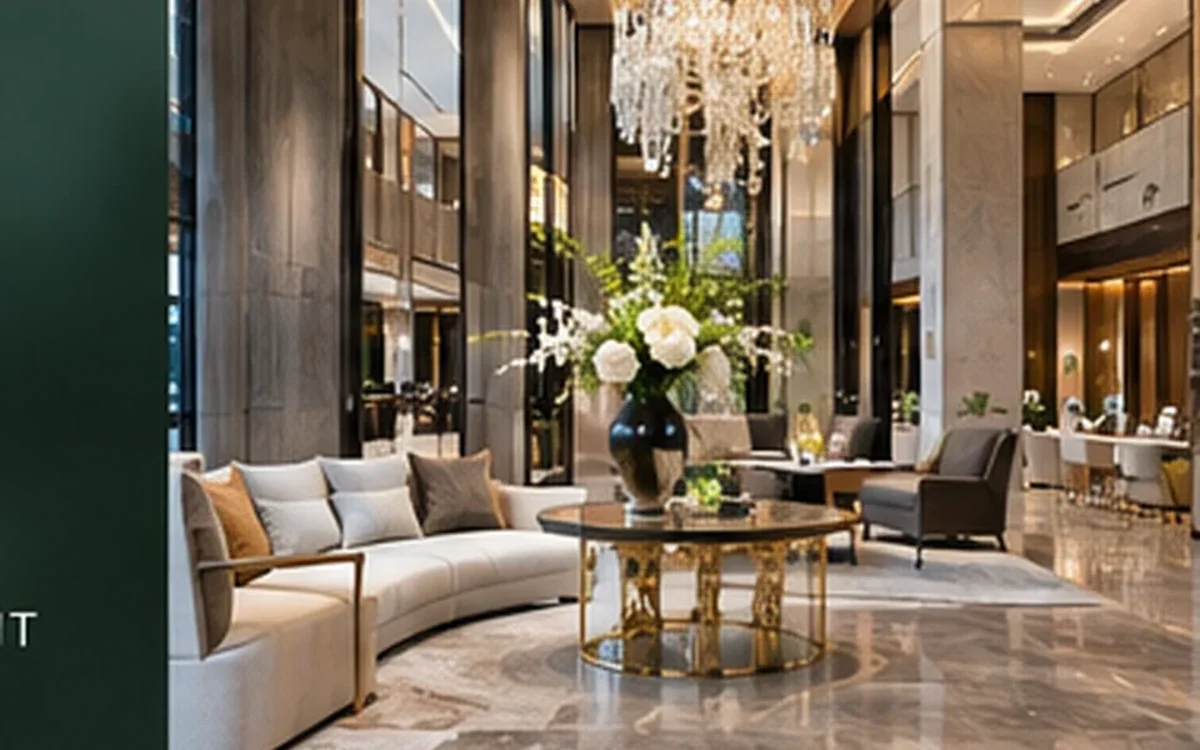
Concept illustration only · not an actual project photograph. Replace with a licensed real interior photo before publishing if photographic authenticity is required.
In brief: Build a distinct hospitality concept through place, scale and material storytelling.
A boutique hotel interior design company in Shenzhen can create character without relying on excessive decoration. A memorable property starts with a clear point of view about who the guests are, how they use the building and what relationship the hotel has with its neighbourhood. The most credible identity is carried by the experience from entrance to guestroom.
Choose a specific story
Avoid generic descriptions such as luxury, trendy or local. Define the audience and the mood: calm business retreat, design-minded city stay or social neighbourhood base. Link the story to observable design decisions such as seating posture, acoustic comfort, artwork and material texture.
Let scale do part of the work
Small properties often benefit from intimate lounges, thoughtfully designed reception desks and comfortable circulation rather than oversized gestures. Evaluate where a distinctive feature will be noticed most. Concentrating the budget on meaningful guest touchpoints can produce a stronger result than applying complex detailing everywhere.
Respect operational realities
Signature finishes and custom furniture must still withstand frequent cleaning and use. Make the identity practical for housekeeping, replacements and staff training. Ask whether the story survives if one fragile decorative item needs to be removed.
Design a consistent visual system
Coordinate lighting temperature, signs, room numbers, material transitions and digital touchpoints. Repetition of carefully selected elements helps a small property feel intentional. A good identity is clear even before a logo is visible.
Putting the guidance into practice
Hospitality interiors are used continuously by guests and staff. Examine the design both as an experience and as a maintainable working environment. Service routes, cleaning, controls, replaceable components and operating standards deserve attention from concept onward. The most coherent hotel spaces connect public atmosphere, private comfort and reliable back-of-house operation.
For a Shenzhen project, begin by documenting the actual site conditions and confirming responsibilities with the building team, relevant consultants and property manager. Keep a realistic allowance for investigations, samples and review. That discipline helps the final design deliver its purpose, not merely match the first concept drawing.
Practical checklist
- Define one primary guest audience
- Develop a concise narrative tied to spatial choices
- Focus signature details on key touchpoints
- Test durability and consistency across rooms
Frequently asked questions
Does boutique mean highly decorative?
No. Boutique character can be expressed through proportion, material restraint, service and local storytelling.
Should every guestroom be unique?
Only when operating and maintenance plans can support variations effectively.
Next step for your project
Share a concise brief, actual plans, expected timetable and the decisions that matter most. Ask the design team to respond with the scope, assumptions, responsibilities and a realistic review process. That gives owners and operators a sound basis for comparing options and moving forward.
 Hotel Interior Design Company in Shenzhen: Mapping the Guest Journey
 Hotel Interior Design Company in Shenzhen: Guestroom Comfort and Durable Details
 Restaurant Interior Design Company in Shenzhen: Translating Cuisine into Identity