Restaurant Interior Design Company in Shenzhen: Translating Cuisine into Identity
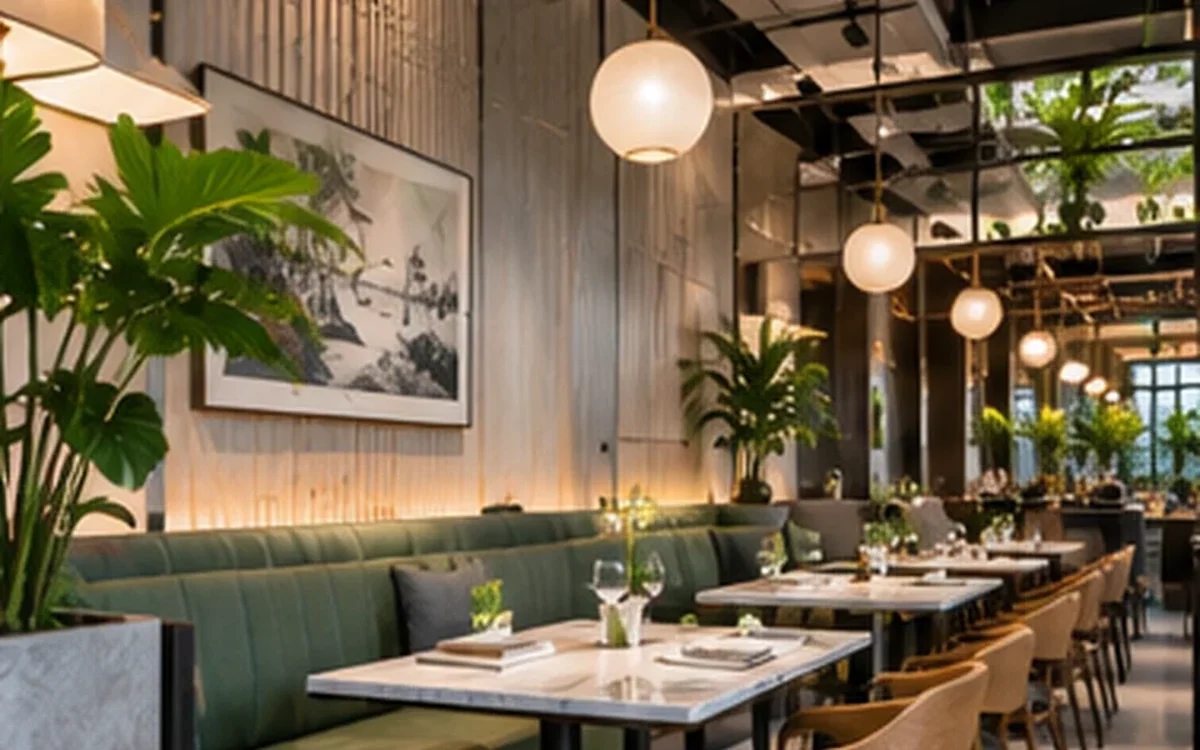
Concept illustration only · not an actual project photograph. Replace with a licensed real interior photo before publishing if photographic authenticity is required.
In brief: Develop a dining atmosphere that supports cuisine, service style and brand recognition.
A restaurant interior design company in Shenzhen can help a concept stand out when the spatial identity feels authentic to the menu and service model. A quick-service dining brand has different needs from a long-stay fine-dining destination. The strongest interiors tell a clear story through proportion, lighting, texture and guest experience rather than relying only on a photogenic feature wall.
Begin with the dining promise
Define who the restaurant serves, expected meal duration, service sequence and price positioning. Choose words that describe the desired atmosphere, then translate each into design decisions. For example, energetic can mean visible preparation and brighter social areas; intimate might call for layered lighting and controlled acoustics.
Use a disciplined material palette
A few well-chosen materials can form a recognisable identity while keeping cleaning practical. Select finishes suited to spills, abrasion and regular maintenance. Evaluate how surfaces look under evening lighting and how quickly damaged sections can be repaired.
Think about the whole touchpoint system
Entrance signs, menus, tableware storage, uniforms and digital booking moments all contribute to perception. An interior that looks sophisticated but makes ordering confusing delivers an inconsistent experience. Coordinate brand and spatial decisions rather than designing them in isolation.
Design for longevity, not only launch photographs
Create memorable moments where they improve the guest journey, but resist short-lived decorative effects that date quickly or interfere with service. An identifiable restaurant should still feel relevant as menus and operating patterns evolve.
Putting the guidance into practice
A restaurant interior must perform under real service conditions. Test the floor with staff movement, occupied tables, deliveries, clearing and cleaning in mind. Technical specialists should coordinate kitchen systems, building services and relevant approvals with the design team. The finished space should express a recognisable brand while remaining safe, efficient and pleasant for guests.
For a Shenzhen project, begin by documenting the actual site conditions and confirming responsibilities with the building team, relevant consultants and property manager. Keep a realistic allowance for investigations, samples and review. That discipline helps the final design deliver its purpose, not merely match the first concept drawing.
Practical checklist
- Write a one-sentence brand and dining promise
- Link each design move to guest behaviour
- Test finishes under real cleaning conditions
- Coordinate signage, menus and spatial identity
Frequently asked questions
Should a restaurant copy current social-media trends?
Trends can inspire details, but long-term brand fit, comfort and maintainability deserve greater priority.
What is the role of lighting in identity?
Lighting shapes food appearance, privacy and energy, so it should be designed with service timing and atmosphere in mind.
Next step for your project
Share a concise brief, actual plans, expected timetable and the decisions that matter most. Ask the design team to respond with the scope, assumptions, responsibilities and a realistic review process. That gives owners and operators a sound basis for comparing options and moving forward.
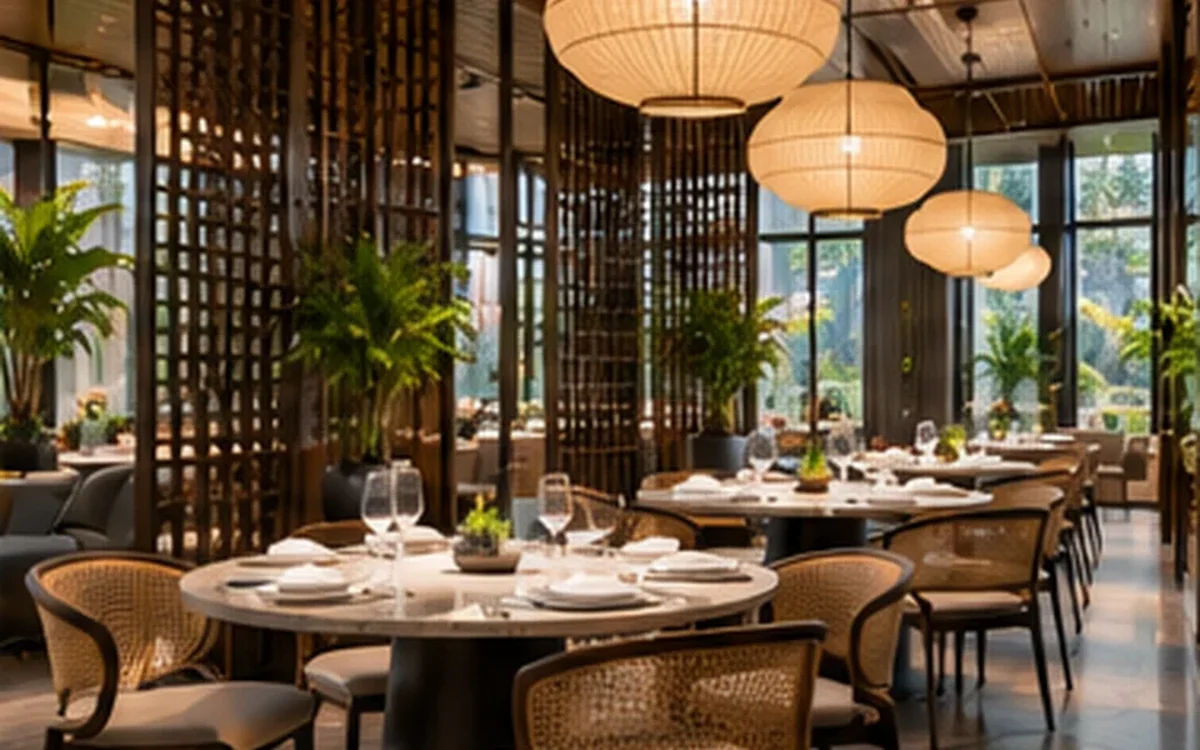 Restaurant Interior Design Company in Shenzhen: Front-of-House Flow That Works
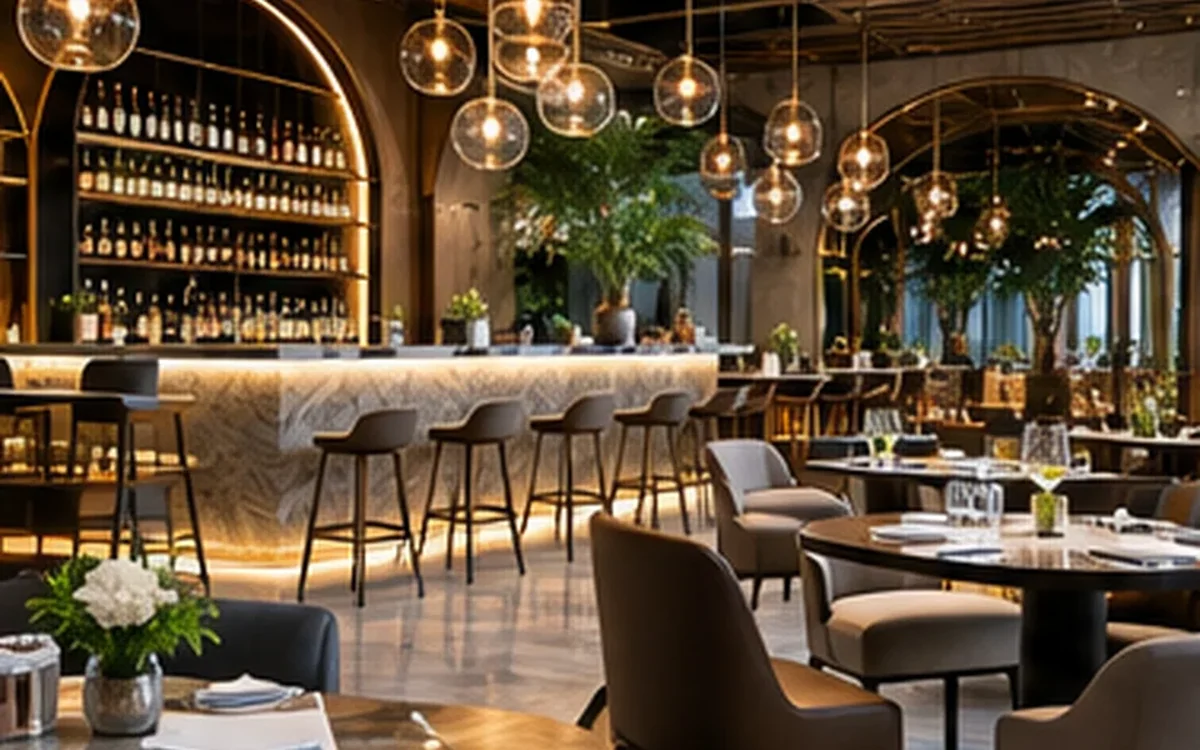 Restaurant Interior Design Company in Shenzhen: Acoustic and Lighting Comfort
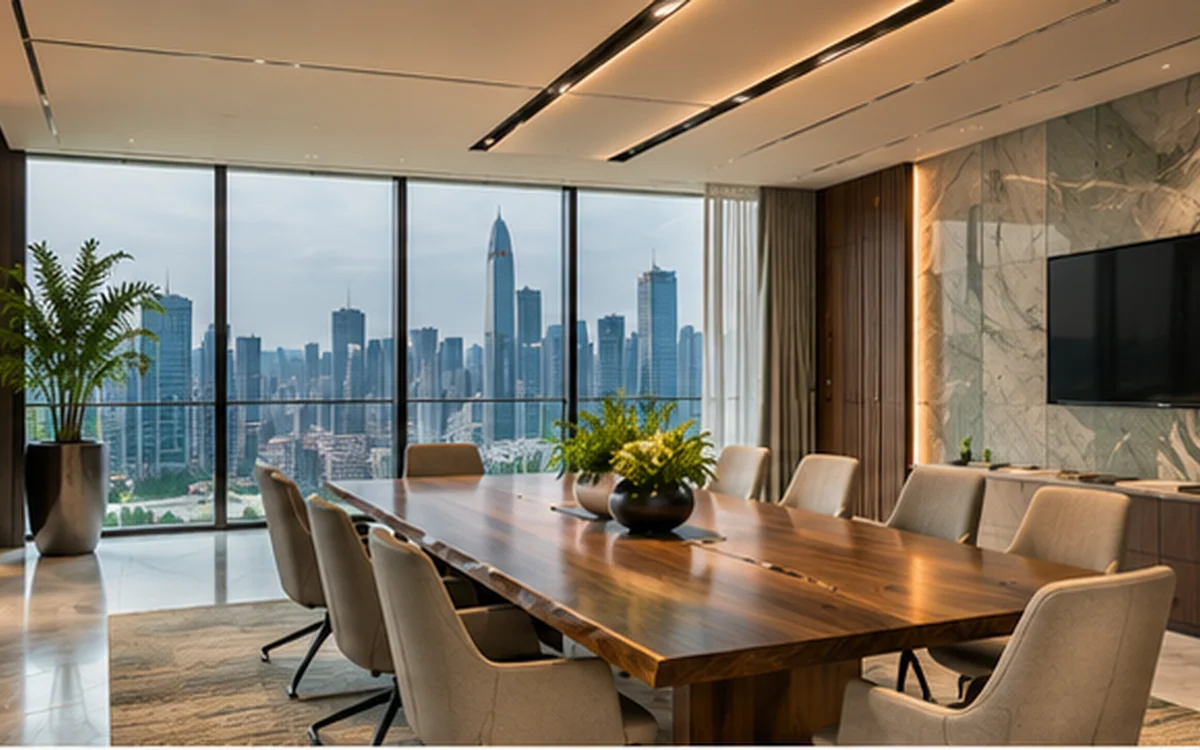 Interior Design Company in Shenzhen: Comparing Proposals Without Hidden Gaps