- 233
Restaurant Interior Design Shenzhen — When Dining Spaces Are Designed to Go Viral
In a city as fast-moving and image-driven as Shenzhen, restaurants are no longer judged only by taste. They are judged by how they look on camera, how they feel on screen, and how effortlessly they translate into social media moments.
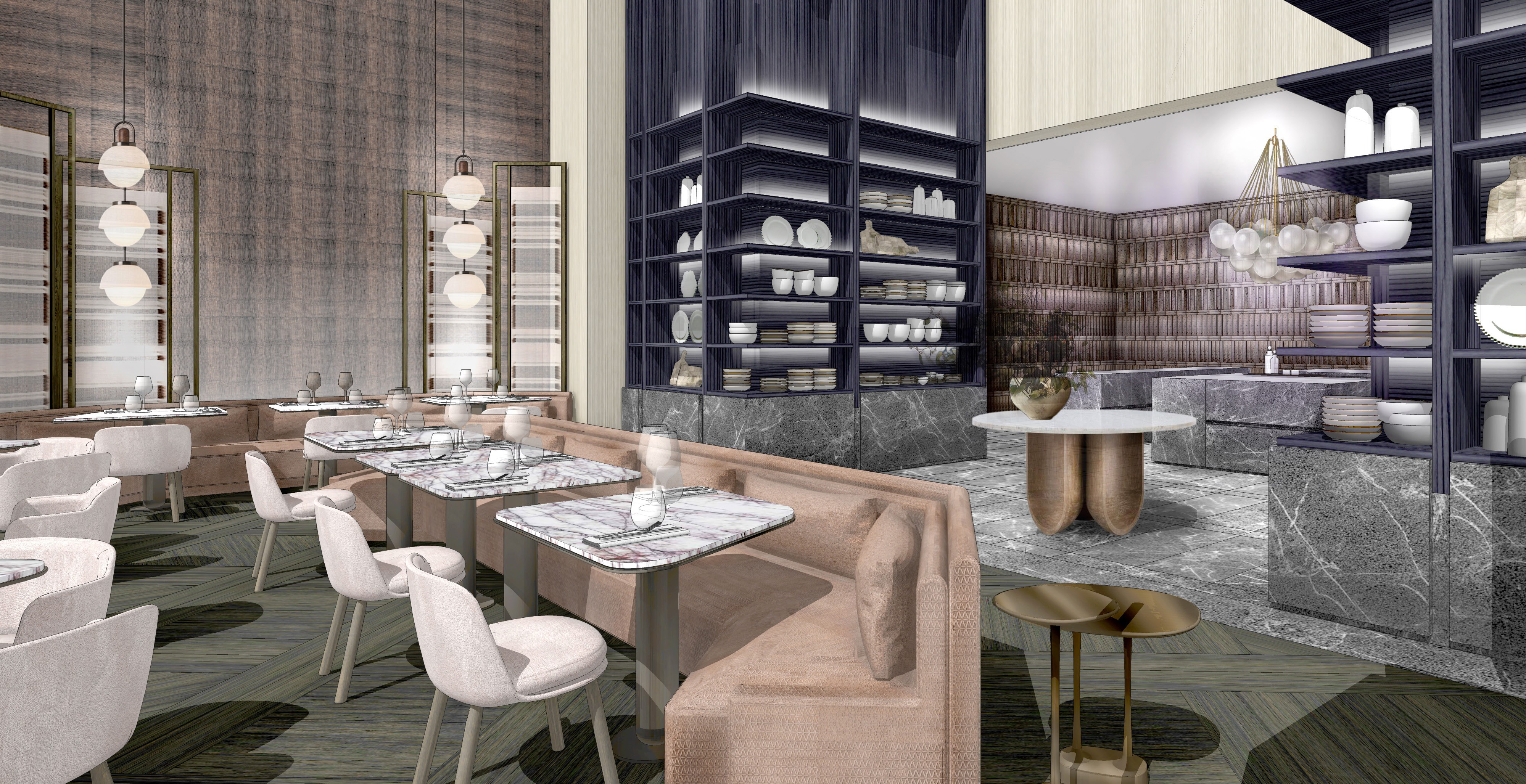
Here, Restaurant Interior Design Shenzhen is not just about aesthetics—it is a marketing tool, a brand amplifier, and a growth engine. When interior design is done thoughtfully, a restaurant doesn’t need to chase virality. Virality happens naturally.
Why Shenzhen Restaurants Must Think Social-First
Shenzhen diners are young, digital-native, and visually fluent. 从南山科技园、福田CBD,到罗湖与前海,顾客习惯在进入餐厅之前,先在 小红书、抖音、Instagram、TikTok 上“看一眼”。
A restaurant interior today must answer three questions instantly:
-
Is this worth sharing?
-
Does it look good from multiple angles?
-
Does the space enhance, not interrupt, the dining experience?
Interior design that understands this psychology performs better—both online and on the ground.
Designing for the Camera Without Sacrificing Reality
A common mistake is designing “Instagram walls” that look good in photos but feel disconnected in real life. 真正成功的空间,是摄影友好,同时也让人愿意久坐、再来。
1. Spatial Composition That Frames the Guest
From the entrance to the dining table, spatial sequencing matters.
-
Clear sightlines create natural photo moments
-
Layered depth (foreground–midground–background) enhances visual richness
-
Seating layouts must allow customers to photograph without disrupting service flow
在深圳这种高密度城市,空间本身就是内容。设计必须“有画面感”。
Lighting: The Hidden Driver of Social Media Performance
Lighting determines whether food looks delicious or dull on screen. In Restaurant Interior Design Shenzhen, lighting strategy is often more important than decoration.
Key principles:
-
Warm-neutral light (3000K–3500K) flatters skin tones
-
Diffused lighting avoids harsh shadows for photography
Connect with us in Villa Interior Design Surabaya


