Office Interior Design Company in Shenzhen: Briefing a Nanshan Technology Team
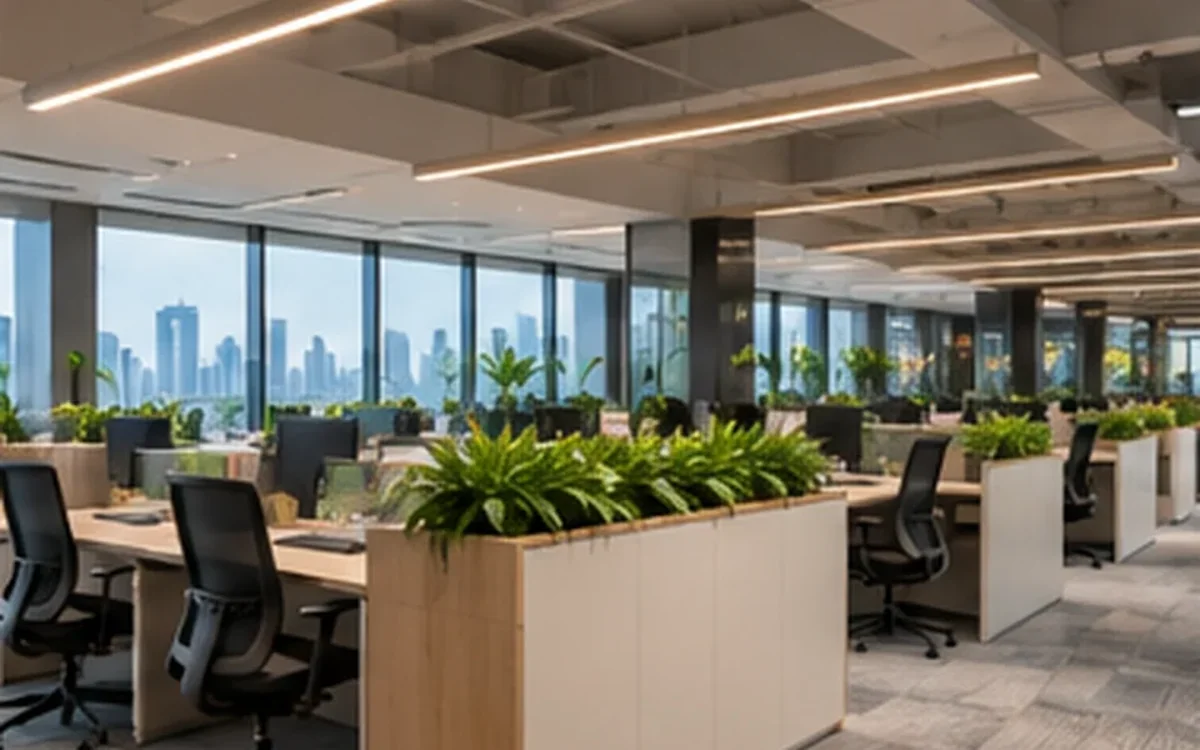
Concept illustration only · not an actual project photograph. Replace with a licensed real interior photo before publishing if photographic authenticity is required.
In brief: Plan focus work, prototype reviews and collaboration for technology-oriented teams.
An office interior design company in Shenzhen should begin a Nanshan technology workplace with an understanding of how teams actually work. Software groups, product designers and customer-facing colleagues do not need identical environments. A strong brief translates work patterns into measurable space types, acoustic expectations and adaptable infrastructure rather than assuming one desk arrangement fits everyone.
Map work modes by team
Identify quiet coding and analysis, confidential calls, stand-ups, hardware demonstrations and large workshops. Count simultaneous activities rather than only total employees. An office that provides enough desks but too few private call spaces may feel permanently congested.
Define adjacencies and circulation
Locate teams that collaborate frequently within sensible walking distance. Separate noisy testing or informal social areas from concentrated work and ensure guests can reach meeting rooms without entering sensitive work zones. A clear arrival and wayfinding sequence helps both security and daily convenience.
Prepare adaptable infrastructure
Discuss power, data, cooling and furniture modularity with relevant specialists early. A technology office may expand, reorganise or change equipment faster than a traditional fit-out cycle. Accessible services and repeated furniture modules can limit disruption during future changes.
Measure performance after occupation
Agree simple indicators: occupancy patterns, availability of focus rooms, meeting-room demand, comfort complaints and maintenance problems. The design brief becomes more valuable when it includes a plan to learn from real use rather than treating the final photographs as the only measure of success.
Putting the guidance into practice
Workplace success depends on more than the number of desks. The project needs a realistic view of concentration, collaboration, confidentiality and technical support. Ask how the design will be evaluated during real work and who will resolve conflicts between interiors, building services, furniture and IT. Clear project roles help prevent small coordination mistakes from multiplying across an entire office.
For a Shenzhen project, begin by documenting the actual site conditions and confirming responsibilities with the building team, relevant consultants and property manager. Keep a realistic allowance for investigations, samples and review. That discipline helps the final design deliver its purpose, not merely match the first concept drawing.
Practical checklist
- Count simultaneous focus and collaborative activities
- Protect acoustically sensitive work zones
- Coordinate adaptable power and data routes
- Plan post-occupancy feedback
Frequently asked questions
Is open plan the default for technology teams?
No. Different tasks require different degrees of privacy, collaboration and equipment support.
What should be measured before planning?
Team sizes, activity patterns, peak room demand, equipment needs and expected growth.
Next step for your project
Share a concise brief, actual plans, expected timetable and the decisions that matter most. Ask the design team to respond with the scope, assumptions, responsibilities and a realistic review process. That gives owners and operators a sound basis for comparing options and moving forward.
 Office Interior Design Company in Shenzhen: Welcoming Clients in Futian
 Office Interior Design Company in Shenzhen: Flexible Workplaces in Qianhai
 Hotel Interior Design Company in Shenzhen: Mapping the Guest Journey