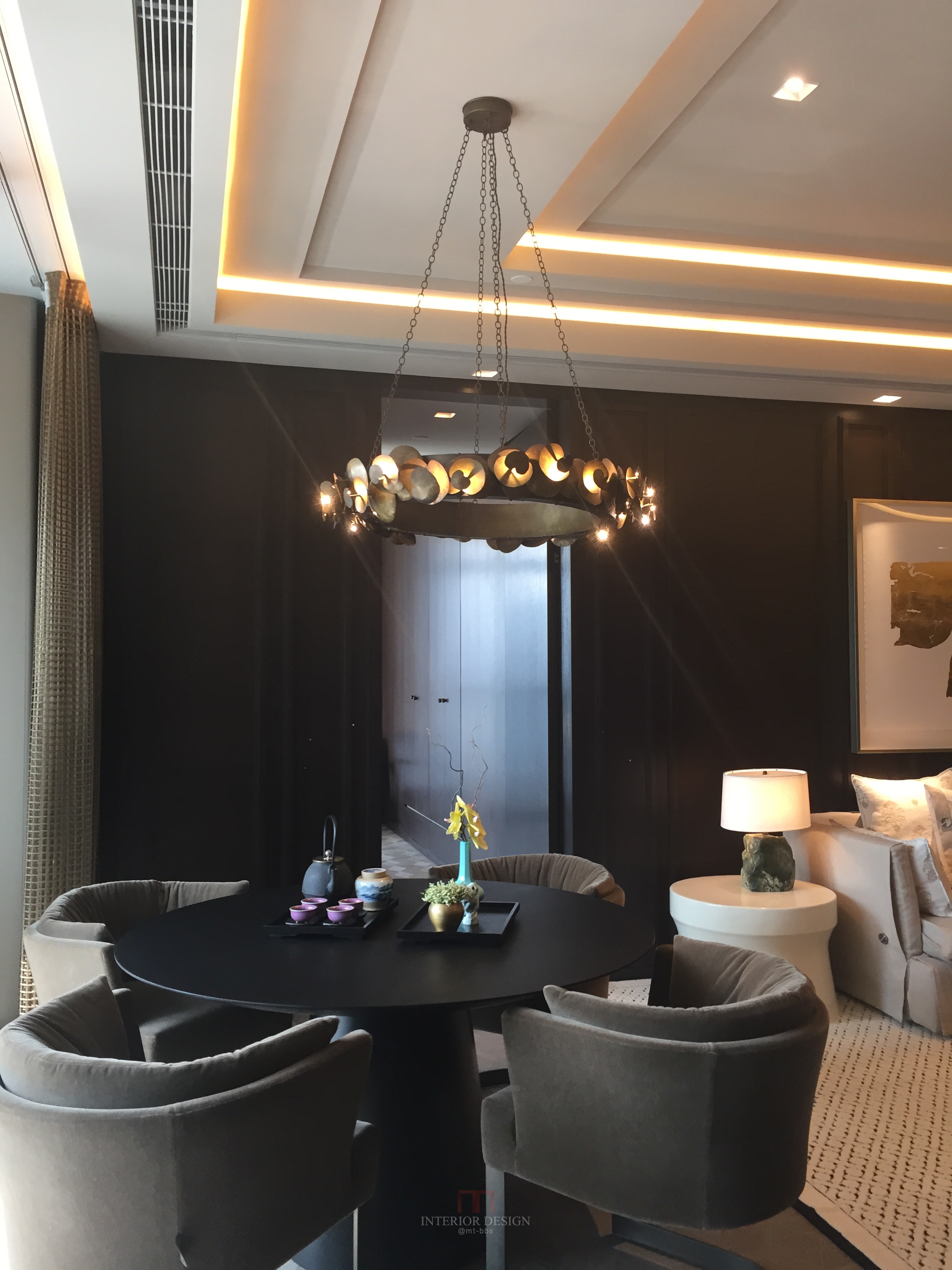
Hotel Interior Design Company Shenzhen
Designing Hospitality Experiences That Perform in 2026
In today’s hospitality industry, design is no longer about visual appeal alone. It is a strategic tool that influences guest experience, operational efficiency, brand perception, and long-term asset value. As travel patterns evolve and guest expectations rise, hotels must work harder to remain relevant, competitive, and emotionally engaging.Hotel Interior Design Company Shenzhen
In a fast-moving city like Shenzhen—where technology, innovation, and global business converge—hotel design plays a critical role in shaping how guests feel, move, and remember a place. As a Hotel Interior Design Company Shenzhen, our firm approaches hospitality design as a performance-driven discipline, blending creativity with strategy, culture, and operational insight.
Why Hotel Design Matters in Shenzhen’s Hospitality Market
Shenzhen is not a traditional tourism city—it is a business-first, innovation-led metropolis. With districts such as Futian CBD, Nanshan, Qianhai, and Luohu attracting corporate travelers, tech professionals, and international visitors, hotels here serve multiple roles: accommodation, meeting space, lifestyle hub, and brand showcase.
Guests in Shenzhen expect:
-
Seamless technology integration
-
Efficient, intuitive layouts
-
Contemporary aesthetics with cultural sensitivity
-
Comfort that supports work, rest, and social interaction
设计不仅要好看,还要“好用、好运营、好记住”。
This is where strategic hotel interior design becomes essential.
Local Context Shaping Hotel Design in Shenzhen
Urban Environment & Development Patterns
Shenzhen’s skyline is dominated by high-rise mixed-use developments and modern commercial towers. Hotels are often integrated with offices, retail, and transit hubs, requiring highly efficient space planning and clear guest circulation.
Cultural & Lifestyle Influences
As a young, forward-thinking city, Shenzhen favors clean lines, contemporary luxury, and understated elegance. Guests value privacy, efficiency, and smart comfort over excessive ornamentation.
Climate & Environmental Considerations
With a subtropical climate, hotel interiors must address humidity, heat, and durability. Material choices, ventilation strategies, and lighting design directly affect guest comfort and maintenance costs.
Industry Growth Sectors
Business travel, MICE, long-stay accommodations, and lifestyle hotels continue to grow—driving demand for flexible, multi-functional hospitality spaces.
Key Hotel Interior Design Trends for 2026
1. Smart Technology Integration
From contactless check-in to intelligent room controls, technology is now a core design layer. In 2026, smart hotels are not optional—they are expected.
Design integrates:
-
Seamless tech without visual clutter
-
Smart lighting, climate, and shading systems
-
Digital wayfinding and guest interfaces
The goal is effortless experience, not tech overload.
2. Flexible Spatial Planning
Hotels in Shenzhen must adapt quickly to changing guest profiles. Lobbies double as social lounges, cafés become co-working spaces, and meeting rooms shift between functions.
Strategic zoning allows spaces to:
-
Serve multiple purposes
-
Increase revenue per square meter
-
Respond to peak and off-peak usage
空间要“会变”,才能长期有价值。
3. Sustainable & Biophilic Strategies
Sustainability is no longer just a brand statement—it is a regulatory and commercial necessity.
Key approaches include:
-
Durable, low-maintenance materials
-
Energy-efficient lighting and systems
-
Biophilic elements that support wellbeing
Green design improves guest satisfaction while reducing long-term operating costs.
4. Data-Driven Design Decisions
Hotels increasingly rely on data—occupancy rates, guest behavior, operational flow—to inform design choices.
By analyzing how spaces are used, design can:
-
Reduce underperforming areas
-
Improve service efficiency
-
Enhance guest journey touchpoints
Design becomes measurable, not subjective.
5. Experiential Brand Environments
In a competitive market, hotels must tell a story. Interior design shapes brand identity through materiality, lighting, spatial rhythm, and sensory experience.
For Shenzhen, this often means:
-
Modern global aesthetics
-
Subtle cultural references
-
Calm, confident luxury
Design Strategies for Hotel Success
As a Hotel Interior Design Company Shenzhen, our firm applies strategic principles to every project:
-
Space Planning Methodology: guest flow, staff efficiency, back-of-house clarity
-
Cultural Localisation: global standards with local sensitivity
-
Material Selection: climate-appropriate, durable, refined
-
Operational Efficiency: layouts that support service speed and maintenance
-
User Journey Design: from arrival to room, dining, and departure
Every decision is tied back to performance.
Business & Investment Benefits of Professional Hotel Design
Strategic hotel interior design delivers tangible value:
-
Competitive differentiation in a crowded market
-
Stronger brand positioning
-
Improved guest satisfaction and loyalty
-
Higher asset value and ROI
-
Operational cost efficiency
Good design pays for itself—over time, and often sooner than expected.
Why Professional Design Expertise Matters
Hotel projects are complex ecosystems. Professional expertise ensures:
-
Clear concept-to-completion delivery
-
Technical coordination with architects, engineers, and operators
-
Compliance with local codes and standards
-
Scalable design solutions for future expansion
Our firm brings hospitality-focused insight shaped by restaurant, retail, and people-centric design thinking—where experience and flow matter most.
The Future of Hotel Design in Shenzhen
Looking toward 2026, Shenzhen’s hospitality sector will continue to evolve alongside its workforce, technology, and global influence. Hotels that succeed will be those that invest strategically in design, not as decoration, but as infrastructure for experience and performance.
As a trusted Hotel Interior Design Company Shenzhen, our firm believes the future belongs to hotels that feel intuitive, human, and quietly intelligent.
如果你正在规划新的酒店项目,或准备升级现有空间,现在正是重新思考设计价值的最佳时机。
Connect with us in


