Luxury Home Interior China: Redefining Villa Living
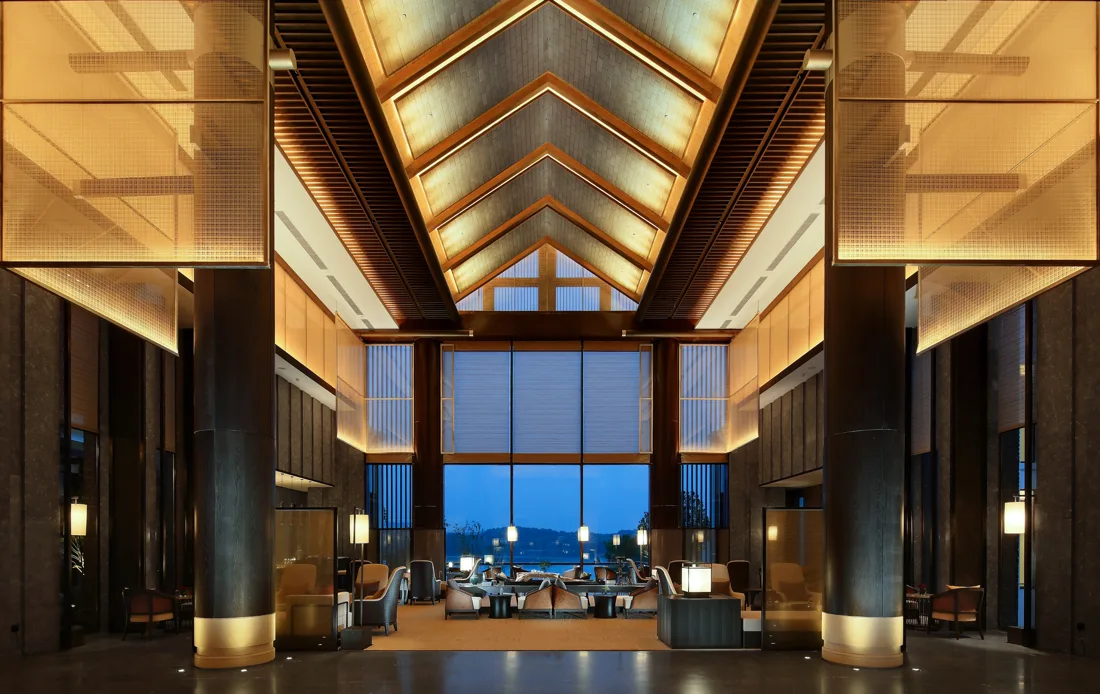
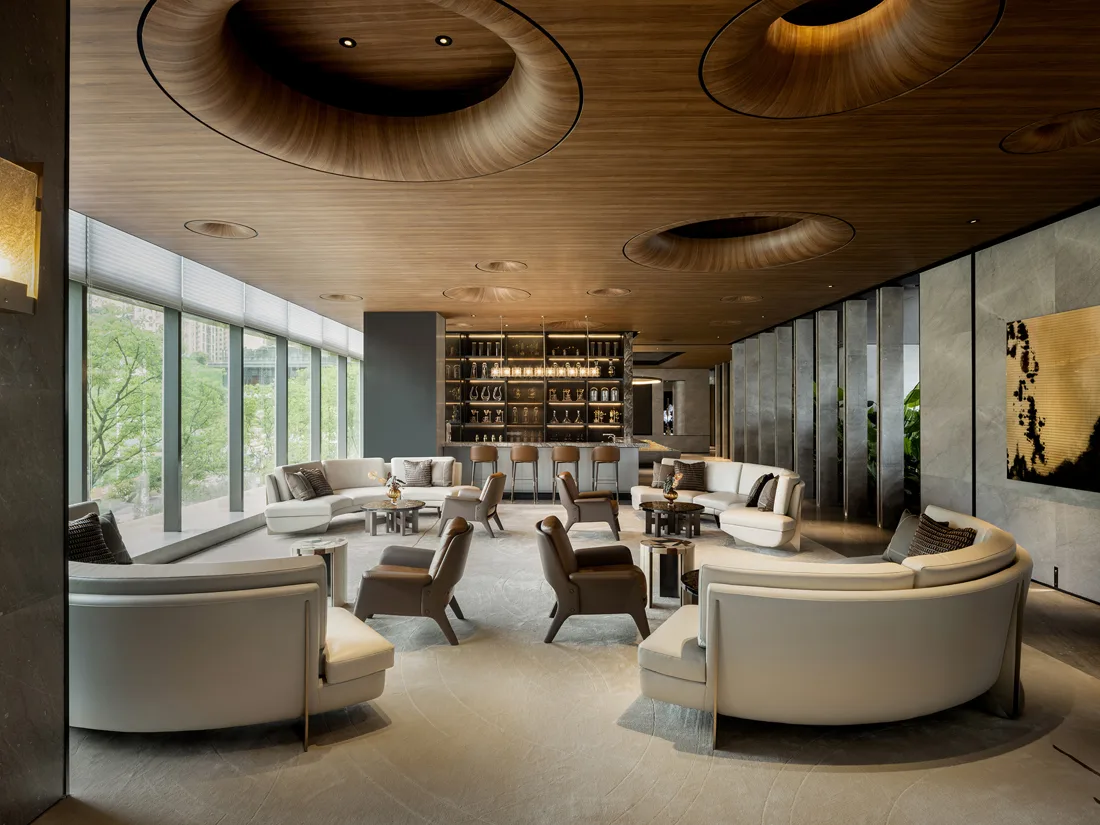
Luxury home interior China design has evolved dramatically, blending traditional aesthetics with cutting-edge modernism. For villa owners across the country, creating a space that reflects both opulence and personal taste is now a top priority. This guide explores how professional interior design services can transform your property into a masterpiece of comfort and style.
Whether you are building a new villa in Shanghai or renovating a coastal retreat in Hainan, the principles of luxury design remain consistent. It is about crafting an environment that feels exclusive, functional, and deeply personal. Therefore, understanding the nuances of Chinese design trends is essential for achieving a world-class result.
The Rise of Residential Interior Design in China
Residential interior design in China has seen exponential growth over the past decade. Homeowners are no longer satisfied with standard layouts; they demand bespoke solutions that enhance their daily lives. This shift has led to a surge in demand for designers who can integrate smart home technology with elegant furnishings.
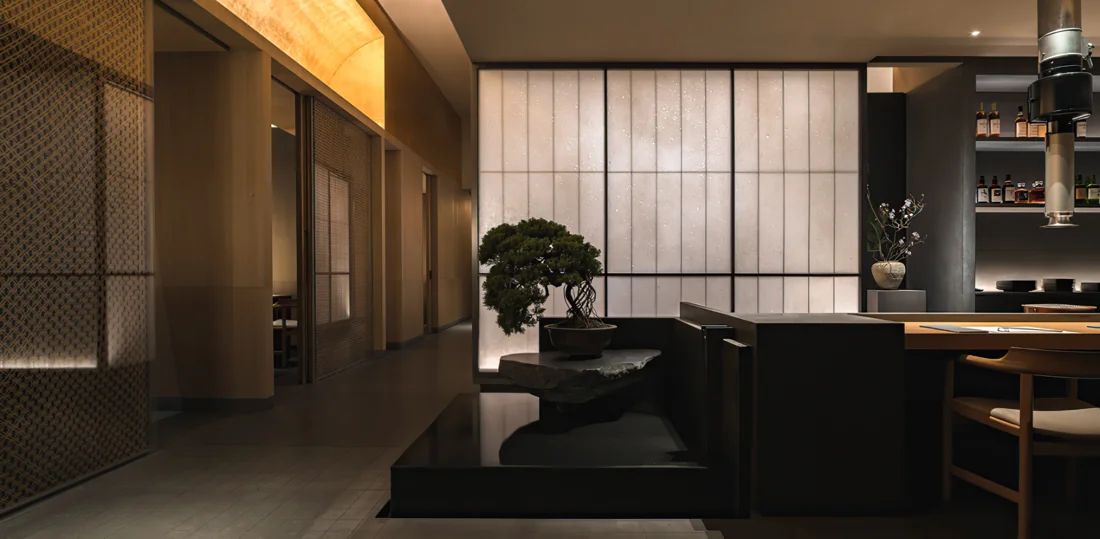
Moreover, the concept of feng shui remains highly influential in modern residential projects. A skilled designer will balance spatial harmony with contemporary aesthetics. For example, open-plan living areas are now being paired with subtle screens and natural materials to create zones of tranquility within a larger space.
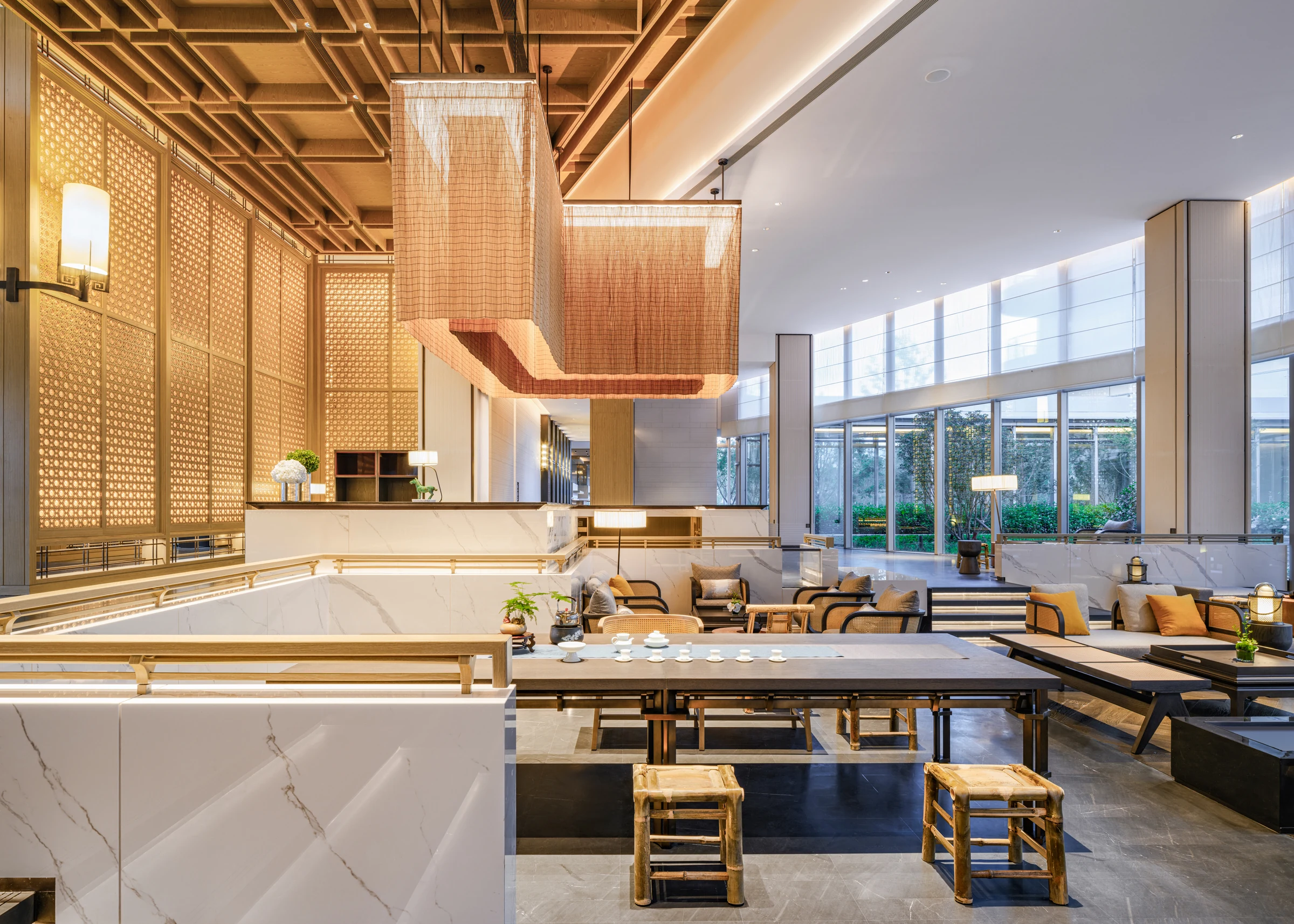
When considering a renovation, it is crucial to focus on the quality of finishes. Italian marble, French oak flooring, and custom silk wall coverings are just a few options that define high-end residential projects in cities like Beijing and Chengdu. These materials not only look stunning but also offer longevity.
Key Elements of a Luxury Villa Interior
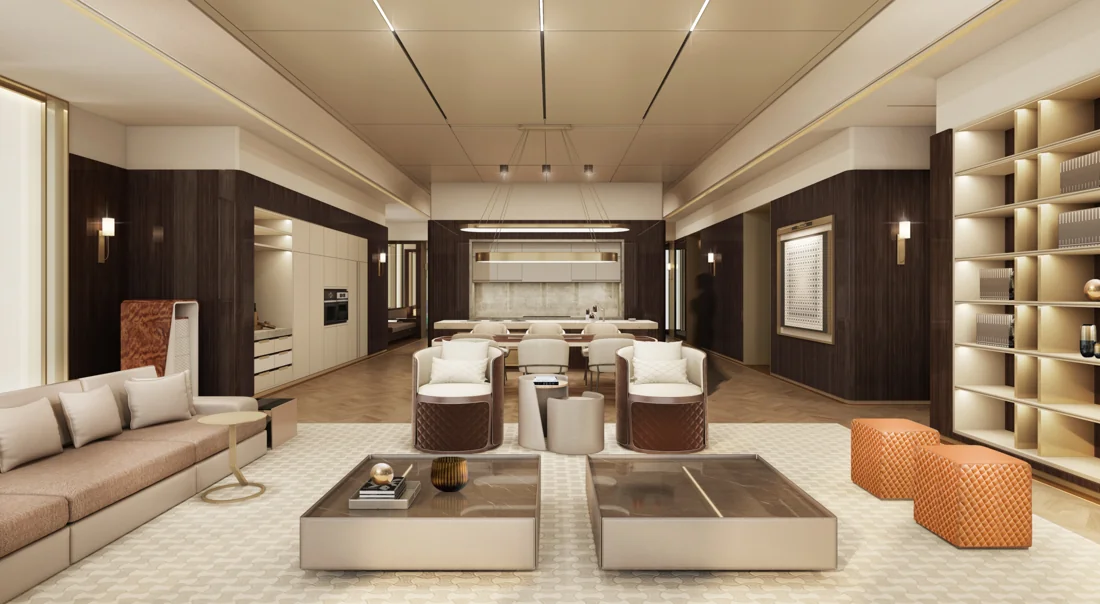
A luxury villa interior requires a holistic approach. Every room must tell a story while maintaining a cohesive flow throughout the property. Here are some essential elements to consider:
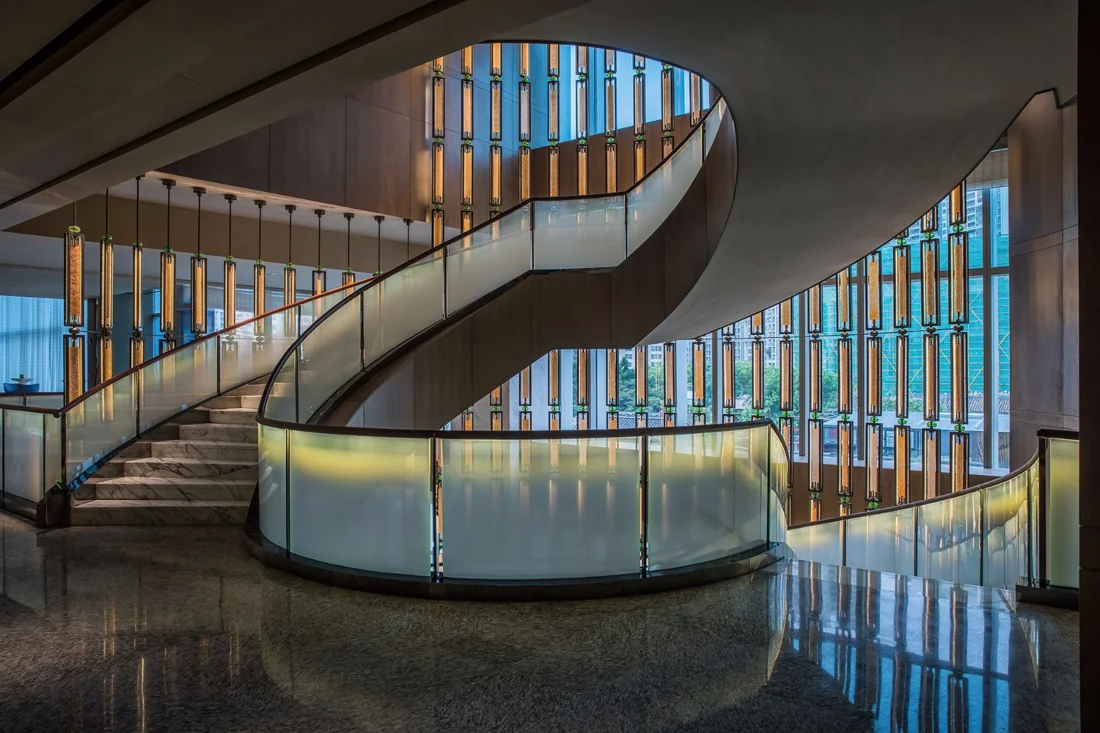
- Statement Lighting: Chandeliers and sculptural pendants serve as focal points.
- Custom Millwork: Built-in cabinetry and paneling provide a tailored look.
- Luxurious Textiles: Velvet, linen, and cashmere add layers of comfort.
- Art Integration: Original artworks and sculptures elevate the cultural value of the home.
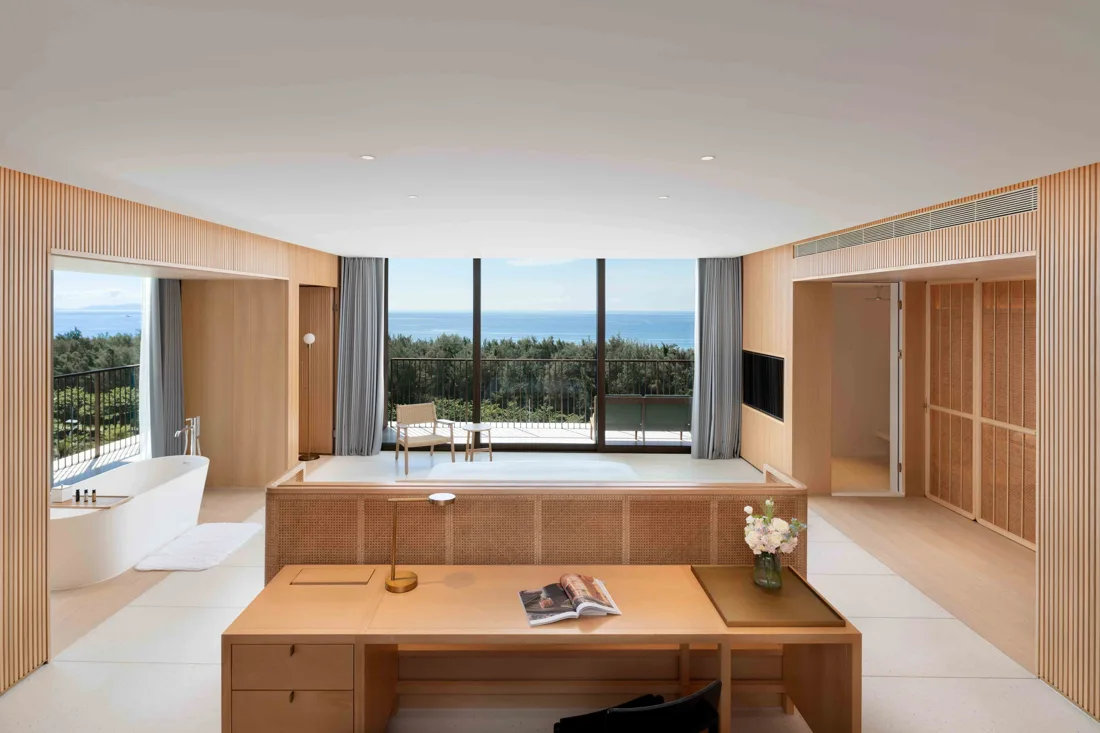
Furthermore, the outdoor spaces of a villa are just as important. A seamless transition between indoor and outdoor living is a hallmark of modern luxury design in China. Think infinity pools, landscaped gardens, and covered terraces with outdoor kitchens.
Office Interior Design Trends Across China
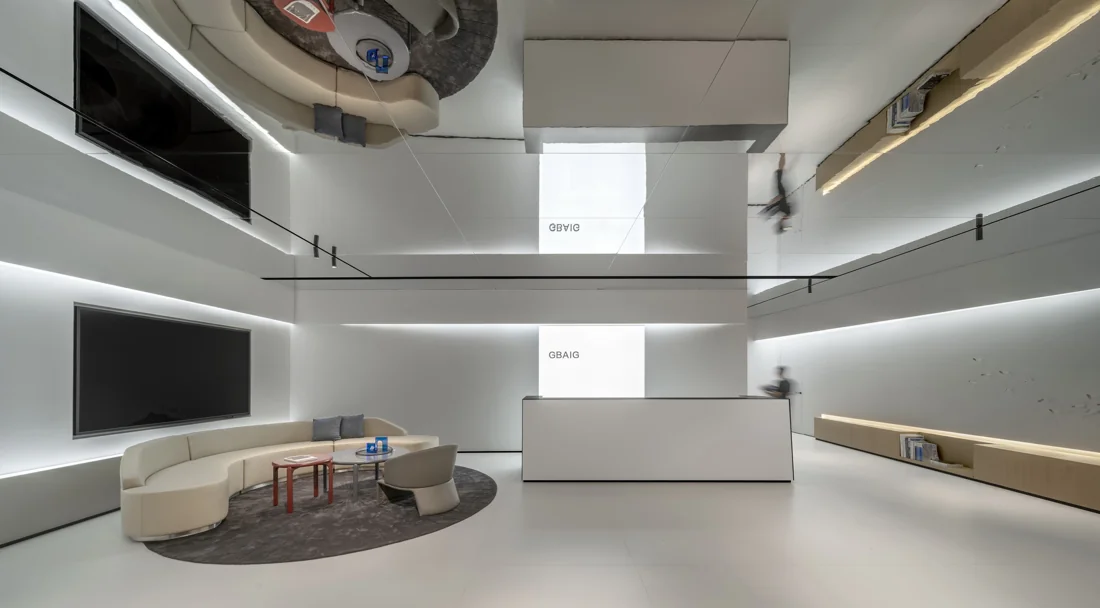
Office interior design in China is currently undergoing a major transformation. The post-pandemic era has redefined how we work, prioritizing flexibility, wellness, and collaboration. Companies in tech hubs like Shenzhen and Hangzhou are leading the way with innovative workplace environments.
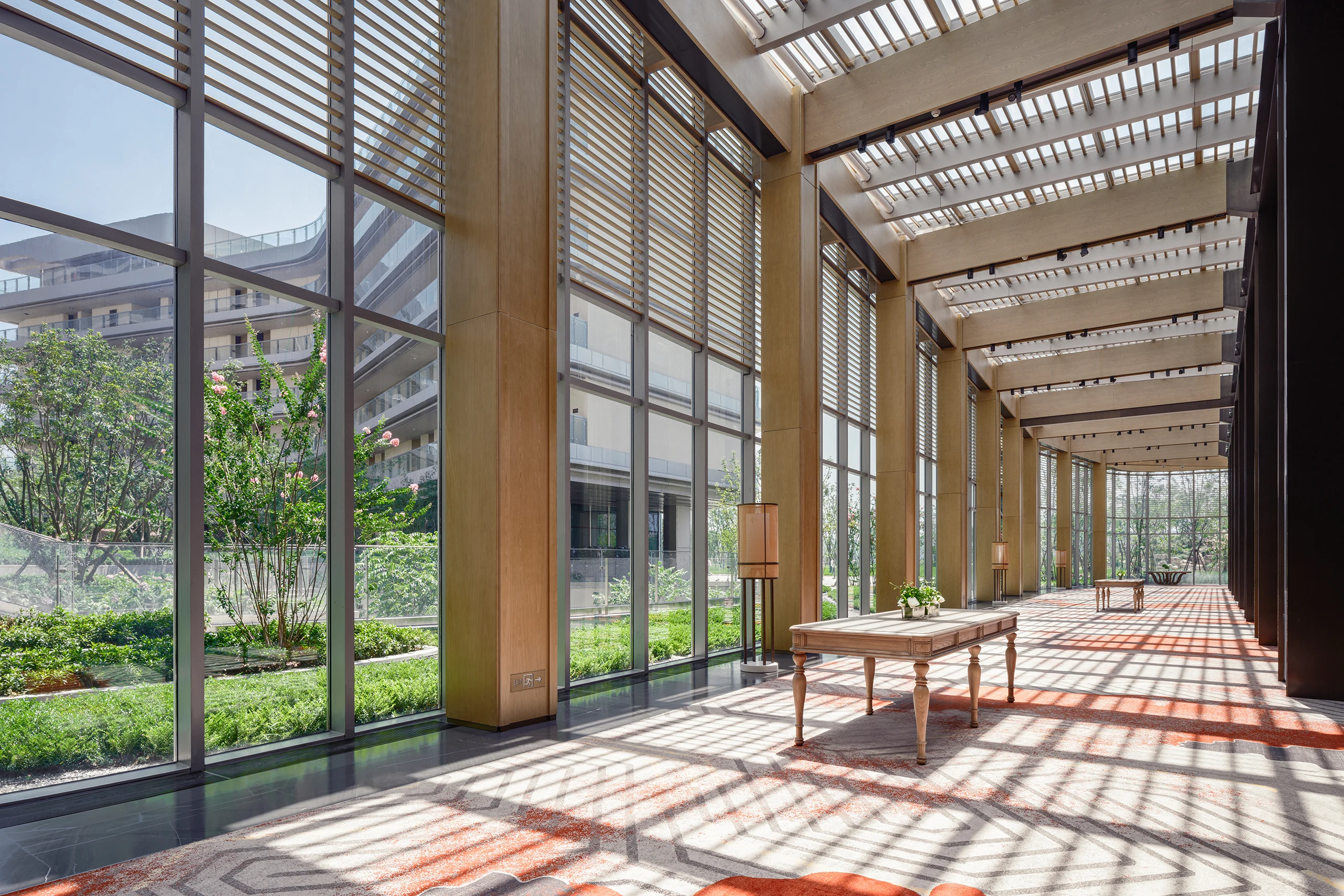
Biophilic design is a key trend in modern offices. Incorporating living walls, natural light, and indoor plants has been shown to boost productivity and employee satisfaction. Therefore, many businesses are now investing in office redesigns that prioritize employee well-being.
Another important aspect of corporate interior design is branding. The physical workspace should reflect a company’s culture and values. This can be achieved through custom color schemes, branded signage, and furniture that encourages interaction. For more insights on global workplace trends, you can explore resources from reputable sources like ArchDaily.
Acoustic management is also a critical factor. Open-plan offices can be noisy, so incorporating sound-absorbing panels, private phone booths, and quiet zones is essential. A well-planned office layout can significantly enhance focus and collaboration.
Blending Luxury and Functionality
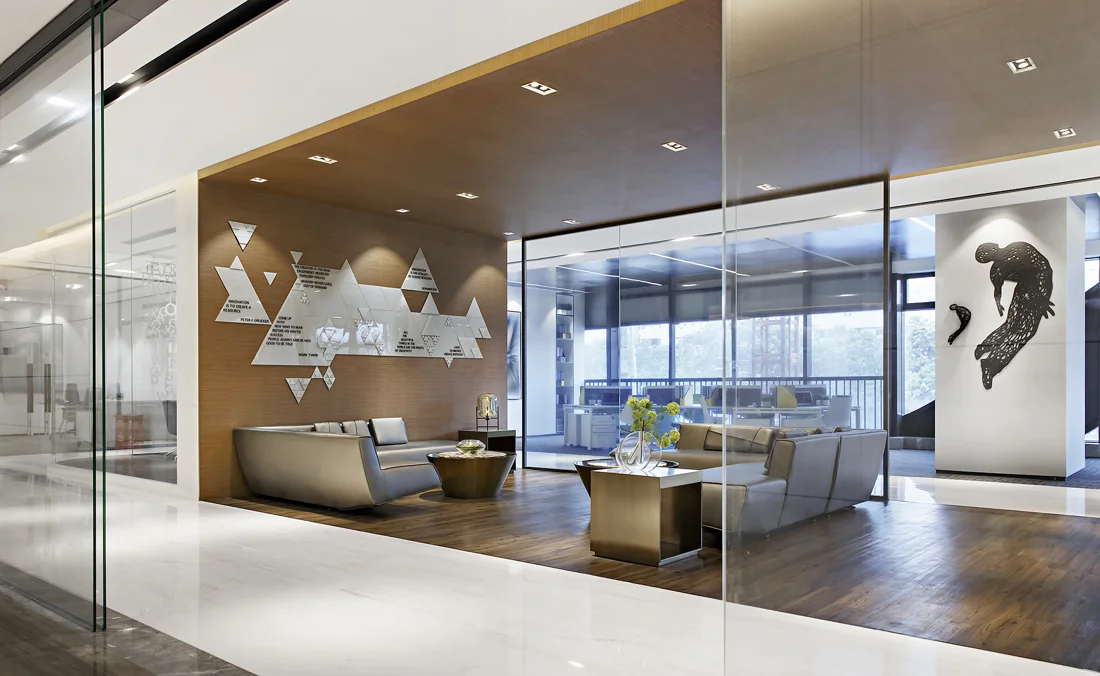
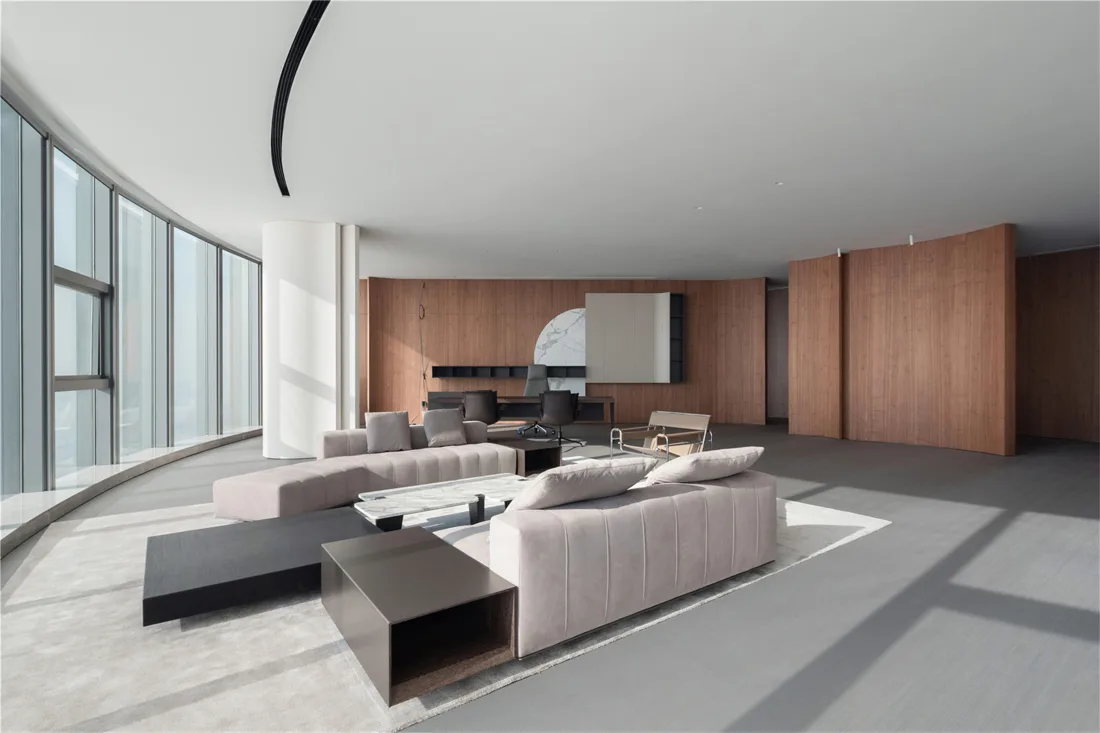
When combining office interior design with residential luxury, the challenge is to maintain professionalism without sacrificing elegance. For home offices within a villa, consider using rich wood paneling, leather upholstery, and smart storage solutions. This creates a space that is both inspiring and efficient.
Color psychology plays a vital role here. Deep blues and greens promote calm concentration, while warm neutrals create a welcoming atmosphere. Investing in ergonomic furniture that also looks beautiful is key—think sculptural desks and task chairs that double as design statements.
Choosing the Right Designer for Your Project
Selecting a professional for your luxury home interior China project requires careful research. Look for a portfolio that demonstrates versatility and a deep understanding of local materials and craftsmanship. Furthermore, a good designer will listen to your needs while offering creative solutions you may not have considered.
When interviewing potential partners, ask about their experience with villa projects. Discuss timelines, budgets, and their approach to sustainable design. Using eco-friendly materials is becoming increasingly important in China, and a knowledgeable designer will have access to ethical suppliers.
For additional inspiration on integrating art into your space, consider visiting Dezeen, which features many projects from Asian interior designers. This can help you articulate your vision before the design process begins.
Conclusion: Transform Your Space Today
The demand for exceptional residential interior design in China continues to rise, and villa owners are in a unique position to create truly extraordinary homes. By focusing on quality, functionality, and personalized style, you can achieve a living environment that enhances every aspect of your life. Remember that the best designs are those that evolve with you, offering comfort and inspiration for years to come.
Are you ready to reimagine your villa or office space? Contact our team of award-winning designers to schedule a consultation. We specialize in luxury home interior China projects, from concept to completion. Let us bring your vision to life with unparalleled craftsmanship and attention to detail. Call us today to begin your design journey!