Articles

Interior Design Shenzhen That Makes a Real Difference in Design

Interior Design Shenzhen

Interior Design in Shenzhen That Makes a Real Difference

Shenzhen is not a city that tolerates superficial thinking. Built in decades rather than centuries, it is defined by velocity—of capital, talent, technology, and ambition. In such an environment, interior design Shenzhen cannot exist as decoration alone. It must perform. It must respond to density, climate, business intensity, and a culture shaped by innovation and relentless iteration.

Design that truly makes a difference in Shenzhen is not about visual statements. It is about purpose, efficiency, adaptability, and long-term value creation. It is about spaces that support how people live, work, recover, and compete in one of Asia’s most dynamic urban economies.

This article explores what sets meaningful interior design apart in Shenzhen—and why setting a new standard requires far more than aesthetics.


Why Interior Design in Shenzhen Requires More Than Just Aesthetics

Shenzhen’s urban fabric is unlike most global cities. High-rise office clusters, dense residential towers, mixed-use developments, tech campuses, retail complexes, and hospitality nodes are tightly interwoven. Land is scarce. Time is compressed. Expectations are high.

Key contextual realities shape design strategy:

  • Extreme urban density with vertical living and working as the norm

  • Fast project cycles driven by investor pressure and market competition

  • Mixed-use developments where residential, office, retail, and hospitality overlap

  • A young, mobile workforce prioritising flexibility, wellness, and efficiency

  • A mature but demanding client base that values ROI, durability, and speed

Generic interior design approaches fail here because they ignore friction points: circulation bottlenecks, acoustic conflicts, inefficient layouts, maintenance fatigue, and regulatory misalignment. In Shenzhen, poorly planned interiors are quickly exposed—by users, operators, and balance sheets.

Design must solve real problems. Otherwise, it becomes a liability.


Designing with Purpose and Performance

Interior design that makes a real difference starts with clarity of purpose. Every spatial decision must answer a performance question.

Spatial Efficiency and Workflow Logic

Whether designing offices, residences, or retail environments, space in Shenzhen is expensive. Square metres must work harder.

  • Offices require clear circulation logic to reduce friction and support hybrid work

  • Homes need compact but flexible zoning that adapts to changing family structures

  • Retail spaces must optimise visibility, dwell time, and conversion per square metre

Good design eliminates wasted space. Great design anticipates behaviour.

Emotional Impact with Functional Discipline

People-centric design is not soft design. Emotional response—calm, focus, belonging, energy—must be engineered through proportion, light, materiality, and acoustics.

In Shenzhen’s high-pressure environment, interiors increasingly serve as psychological infrastructure:

  • Homes that decompress overstimulated lives

  • Offices that balance intensity with recovery

  • Commercial spaces that feel intuitive rather than overwhelming

Performance is not only measurable in numbers—it is felt daily by occupants.

Durability, Adaptability, and ROI

Design decisions influence operational costs for years. Material wear, maintenance cycles, and adaptability matter more than visual novelty.

In Shenzhen, clients increasingly evaluate interiors through:

  • Lifecycle cost rather than upfront cost

  • Flexibility for future reconfiguration

  • Long-term asset value and leasing performance

Purpose-driven design protects investment.


Raising the Benchmark for Interior Design in Shenzhen

The local design market is competitive—but uneven. Many projects prioritise speed and visual impact at the expense of detailing, coordination, and execution discipline.

Raising standards requires a structured methodology:

  • Clear design governance from concept to handover

  • Technical detailing that considers buildability and maintenance

  • Quality control systems embedded throughout construction

  • Accountability across consultants, contractors, and suppliers

Design excellence is not a style. It is a process.

In Shenzhen, where timelines are compressed and stakeholders numerous, disciplined project management is what separates reliable outcomes from costly rework.


Designing for Shenzhen’s Climate, Culture, and Construction Reality

Contextual intelligence is where theory meets reality.

Climate Responsiveness

Shenzhen’s subtropical climate brings high humidity, heat, and seasonal rainfall. Interior design must address:

  • Moisture-resistant materials to prevent warping and mould

  • HVAC strategies that balance comfort with energy efficiency

  • Condensation control at façade and window interfaces

Ignoring climate leads to premature material failure—no matter how elegant the design.

Cultural and Lifestyle Patterns

Shenzhen is shaped by a migrant professional population. Homes often host:

  • Multigenerational visits

  • Live-work routines

  • Short-term stays mixed with long-term occupation

Offices reflect a culture of long hours, collaboration, and rapid scaling. Design must support flexibility, privacy gradients, and efficient infrastructure without sacrificing comfort.

Construction and Supply Chain Reality

While Shenzhen has a mature construction ecosystem, challenges remain:

  • Tight labour schedules

  • Coordination across multiple specialist trades

  • Supply chain volatility for premium materials

Design that ignores build sequencing and procurement realities introduces risk. Practical execution literacy is essential.


Creating Meaningful Impact Across Residential and Commercial Spaces

Residential Interiors

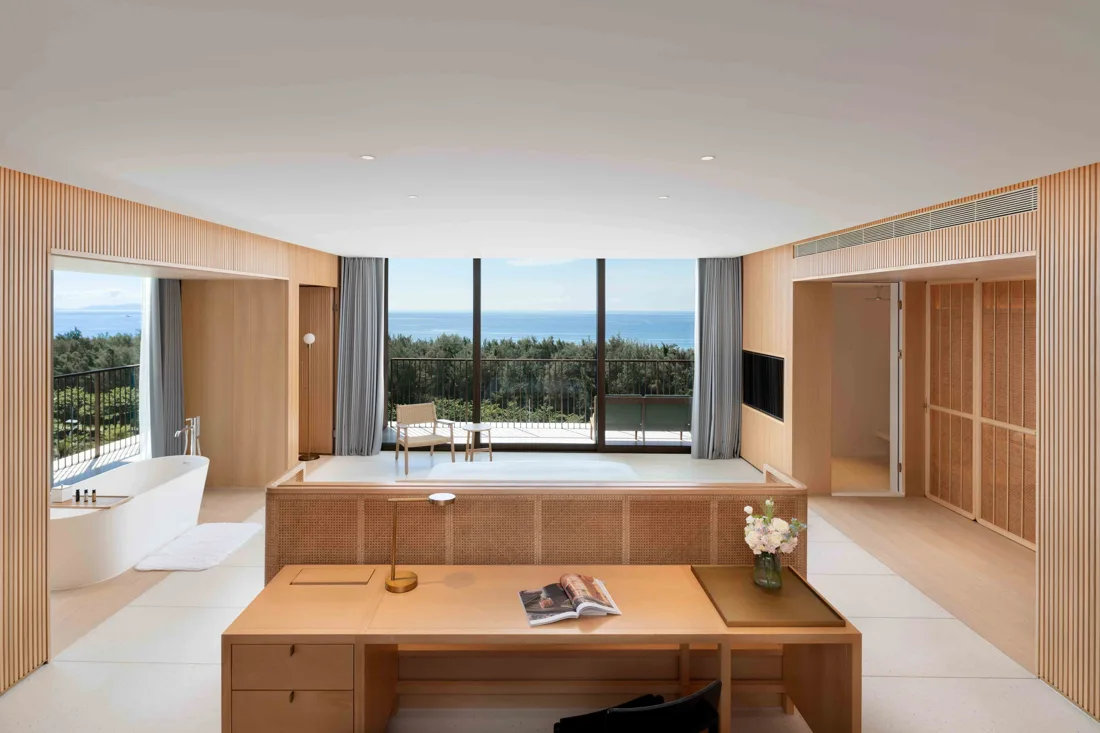
In high-rise apartments and luxury residences, interior design determines daily quality of life. Thoughtful planning improves:

  • Natural light penetration

  • Storage efficiency

  • Acoustic comfort

  • Privacy within compact footprints

Design translates density into dignity.

Office Interiors

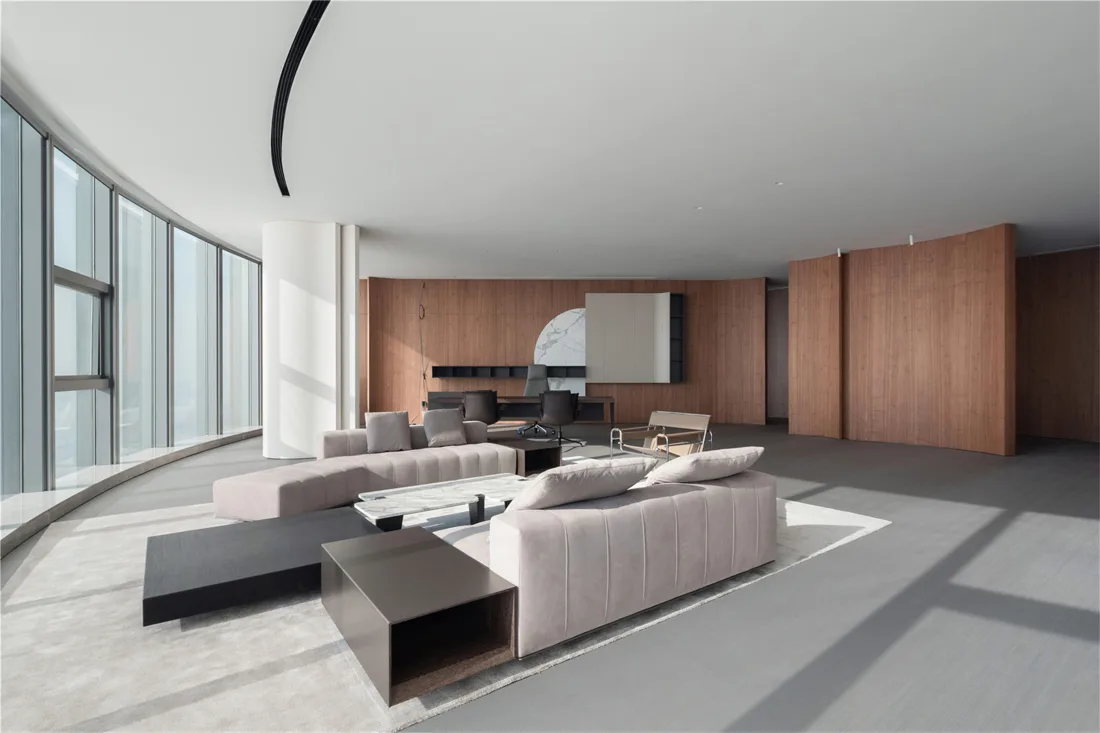
In districts such as Nanshan and Futian, office interiors shape productivity, talent retention, and brand credibility.

Performance-led office design aligns:

  • Spatial zoning with work modes

  • Infrastructure with growth strategy

  • Wellness with output expectations

Retail and Hospitality

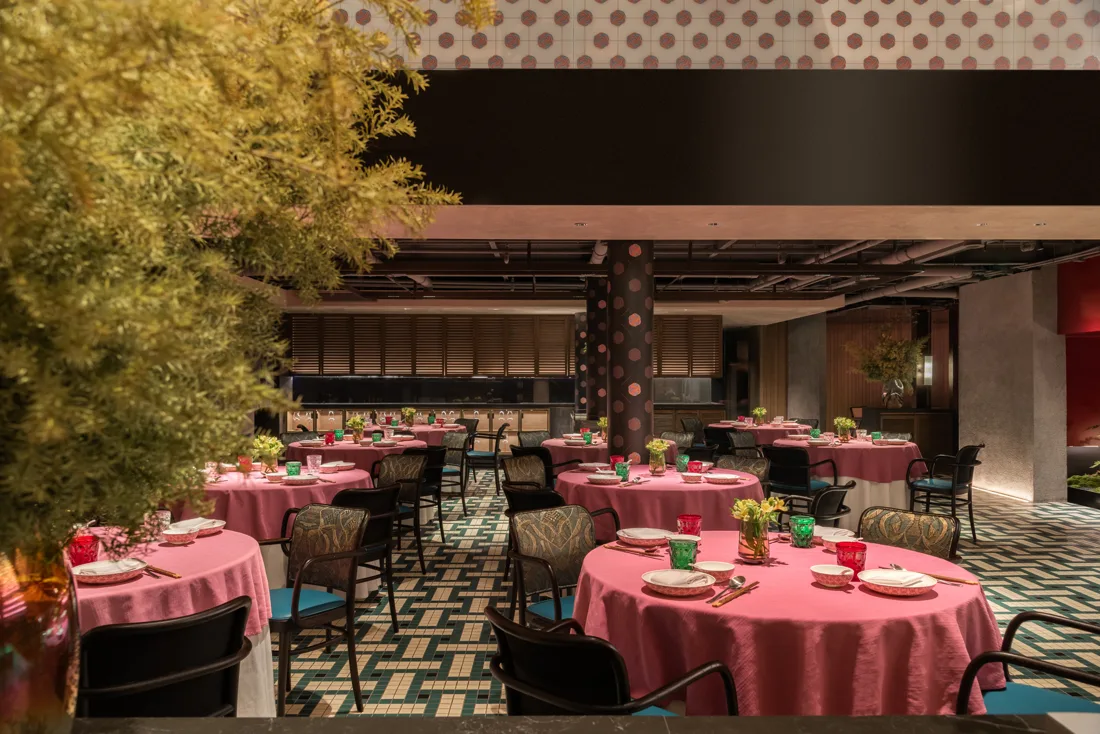
Retail streets and malls compete intensely for attention. Interior design influences dwell time, perception of value, and brand trust. Hospitality interiors must balance efficiency with experience, especially in mixed-use developments.

Across sectors, design becomes a business tool.


From Concept to Completion: Design & Build Capability

Execution is where many ideas fail. Our firm approaches interior design through a structured, end-to-end workflow:

  1. Strategic Consultation – Understanding objectives, constraints, and success metrics

  2. Concept Strategy – Translating intent into spatial principles

  3. Spatial Planning – Zoning, circulation, and efficiency modelling

  4. Visualisation – Communicating intent with build realism

  5. Cost Planning – Aligning ambition with financial discipline

  6. Authority Submissions – Navigating approvals and compliance

  7. Site Supervision – Coordinating trades and sequencing

  8. Quality Inspections – Controlling finishes, tolerances, and detailing

  9. Installation & Commissioning – Ensuring systems perform as intended

  10. Handover – Delivering clarity, documentation, and accountability

This process reduces uncertainty—critical in Shenzhen’s fast-moving environment.


A Trusted Interior Design Partner in Shenzhen

Clients choose partners who understand more than form. They look for:

  • Proven execution capability

  • Cross-sector experience

  • Technical depth

  • Local intelligence with global perspective

Our firm’s work across residential, commercial, retail, and hospitality environments reflects a consistent philosophy: design must earn its place through performance.

Authority is not claimed. It is demonstrated—through outcomes that function, endure, and add value.


Redefine Your Space in Shenzhen

In a city defined by progress, interior design must contribute meaningfully—not just visually. Interior design Shenzhen that makes a real difference is grounded in purpose, sharpened by context, and delivered through disciplined execution.

If you are planning a space that must perform today and adapt tomorrow, the conversation should begin with strategy—not style.

Let us explore how your interior can set a new standard—quietly, intelligently, and decisively.

Award-Winning Interior Design That Sets a New Standard

Connect with us in

Linkedin, Facebook, Instagram, Youtube,and more

Share
go top